

How Advanced Suction and Sweeping Technology Improves Road Cleanliness
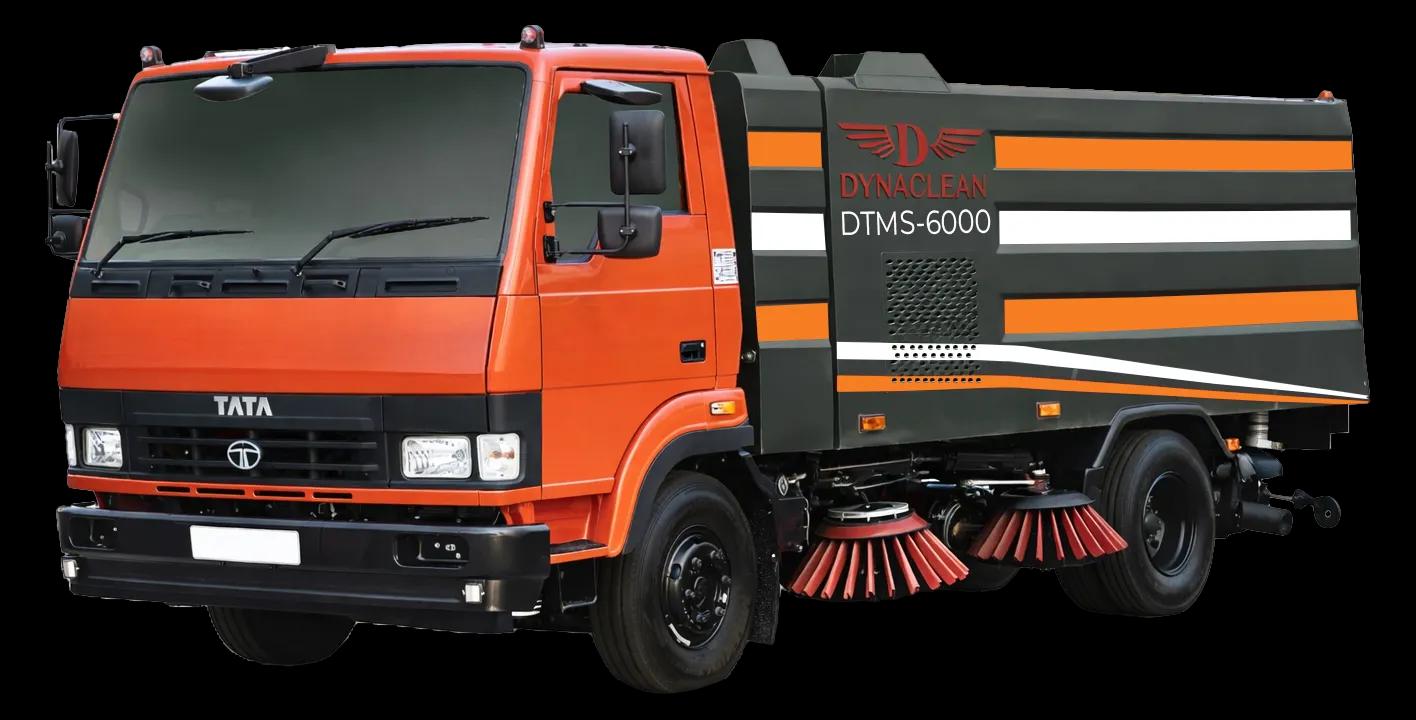
Clean roads are essential for maintaining a healthy environment, improving public hygiene, and developing modern infrastructure. With increasing urbanisation, growing vehicle traffic, and rising pollution levels, maintaining clean roads has become a significant challenge for municipalities, government authorities, and infrastructure management companies. Traditional road cleaning methods often require considerable manpower and time, making it difficult to maintain large areas efficiently. Advanced suction and sweeping technology offers an effective solution by improving cleaning performance, reducing dust pollution, and ensuring better road maintenance.
Modern road sweeping machines combine powerful suction systems, rotating brushes, and advanced dust collection mechanisms to remove dirt, debris, and fine particles from different road surfaces. These technologies are transforming road cleaning operations by making them faster, more productive, and environmentally responsible.
1. Efficient Removal of Dust and Road Debris
One of the major advantages of advanced suction and sweeping technology is its ability to remove different types of waste from road surfaces. Roads frequently accumulate dust, sand, leaves, stones, plastic waste, and other debris due to vehicle movement, construction activities, and changing weather conditions.
Modern road sweeping machines use powerful rotating brushes to loosen accumulated dirt and advanced suction systems to collect it effectively. This combination ensures thorough cleaning across highways, urban streets, industrial areas, and commercial spaces.
Unlike traditional manual cleaning methods, mechanical sweeping provides consistent results and covers larger road sections within a shorter period. Regular cleaning also prevents excessive waste accumulation and helps maintain better road conditions.
2. Powerful Suction Technology for Better Dust Control
Dust pollution is one of the major environmental concerns in crowded cities and industrial areas. Fine dust particles released from road surfaces can affect air quality and create uncomfortable surroundings for pedestrians and motorists.
Advanced suction technology helps address this problem by capturing dust and fine particulate matter during the sweeping process. Powerful vacuum systems collect loosened dirt and transfer it into a dedicated storage hopper, minimising the amount of dust released back into the surrounding air.
This technology is particularly useful for cleaning busy highways, industrial roads, construction zones, and areas with heavy vehicle movement. Effective dust collection supports cleaner surroundings and contributes to improved environmental conditions.
3. Advanced Brush Technology for Thorough Cleaning
Rotating brush systems play an important role in improving the cleaning performance of modern road sweeping machines. These brushes are designed to remove stubborn dirt, accumulated sand, leaves, and debris from road surfaces.
Side brushes help clean road edges, kerbs, and difficult-to-reach areas, while the central sweeping mechanism collects loosened waste for effective disposal. The combination of brush movement and suction technology ensures that different types of road debris can be removed efficiently.
Advanced brush technology also helps maintain consistent cleaning performance across different road surfaces. This makes modern sweeping equipment suitable for highways, municipal roads, parking areas, industrial premises, and large commercial complexes.
4. Reduced Dependence on Manual Cleaning
Traditional road cleaning operations depend heavily on manual labour, which can be time-consuming and physically demanding. Cleaning large highways and busy urban roads manually also creates challenges related to productivity, worker safety, and operational scheduling.
Advanced road sweeping machines automate several cleaning activities, allowing operators to clean extensive road networks more efficiently. Their mechanical sweeping and suction systems reduce the need for manual intervention and help cleaning teams complete more work within limited operating hours.
Automation also improves cleaning consistency because machines can follow planned routes and schedules. This makes them valuable for municipal corporations, highway maintenance contractors, industrial facilities, and infrastructure development projects.
5. Improved Road Safety and Driving Conditions
Accumulated dust, loose sand, fallen leaves, and other debris can create unsafe conditions for vehicles and pedestrians. Loose materials may reduce tyre grip, while debris can obstruct drainage systems and create additional maintenance problems.
Regular mechanical road sweeping helps remove these unwanted materials and supports safer driving conditions. Cleaner road surfaces also improve the overall appearance of public spaces and create a better experience for commuters.
For highways with continuous vehicle movement, regular sweeping is especially important. Maintaining clean road surfaces helps infrastructure authorities manage road maintenance more effectively and support smoother transportation operations.
6. Environmentally Responsible Cleaning Operations
Environmental protection has become an important priority for cities and industrial organisations. Conventional cleaning activities may generate airborne dust if waste is not collected properly.
Modern suction-based sweeping machines are designed to capture dust and debris during cleaning operations. Many advanced machines also incorporate dust suppression systems that help control dust movement while sweeping.
By collecting waste in dedicated storage hoppers, these machines make debris handling and disposal more organised. Their efficient cleaning mechanisms support better environmental management and help authorities maintain cleaner public spaces.
7. Cost-Effective Road Maintenance Solutions
Investing in advanced road sweeping equipment can help organisations improve their long-term road maintenance operations. Although purchasing modern cleaning machines requires an initial investment, their ability to cover larger areas and reduce manual labour can support operational savings over time.
Mechanical sweeping improves workforce productivity and helps minimise the time required for routine cleaning activities. Efficient cleaning schedules can also reduce the accumulation of dirt and debris, supporting better maintenance of road infrastructure.
For municipalities, industrial companies, and highway maintenance contractors, choosing suitable sweeping equipment can improve resource utilisation and overall operational efficiency.
8. Suitable for Multiple Cleaning Applications
Another important benefit of advanced suction and sweeping technology is its versatility. Modern road sweeping machines can be used in different environments depending on their design, capacity, and cleaning configuration.
Common applications include:
Highways and Expressways: Removing dust, sand, and debris from large road networks.
Municipal Roads: Maintaining cleaner streets and improving urban hygiene.
Industrial Areas: Collecting dust and waste generated by industrial activities.
Commercial Complexes: Keeping parking areas and surrounding roads clean.
Construction Sites: Removing loose materials and accumulated debris.
Airport Roads: Supporting cleanliness across large paved operational areas.
This versatility makes modern sweeping equipment an important investment for organisations responsible for maintaining large paved surfaces.
Conclusion
Advanced suction and sweeping technology is transforming road maintenance by delivering faster, more efficient, and environmentally responsible cleaning solutions. From powerful dust collection and advanced brush systems to reduced manual labour and improved road safety, modern sweeping machines offer several advantages for maintaining cleaner roads. Investing in reliable cleaning equipment helps municipalities, infrastructure authorities, and industrial organisations improve their cleaning operations and maintain better public spaces. Dynaclean Industries offers advanced cleaning solutions, including the Diesel operated Highway Sweeper Truck, designed to support efficient large-scale road cleaning and modern highway maintenance requirements.