

How Modern Highway Sweeper Trucks Improve Urban and Industrial Cleaning
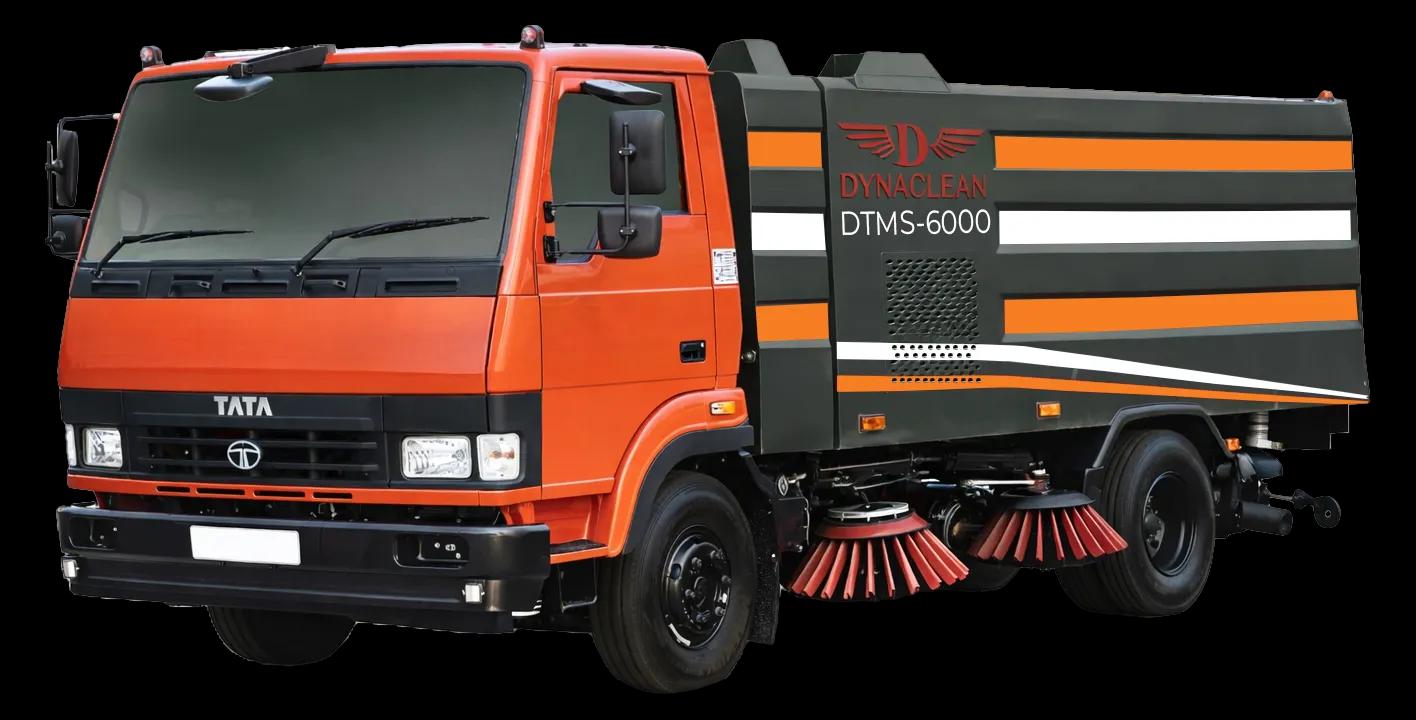
Maintaining clean roads, highways, and industrial areas is essential for public health, environmental protection, and efficient infrastructure management. With rapid urbanization, increasing vehicle movement, and expanding industrial activities, traditional cleaning methods are often insufficient to manage the growing accumulation of dust, debris, and waste. Modern highway sweeper trucks provide an effective solution by combining advanced sweeping technology, powerful suction systems, and efficient waste collection mechanisms.
These machines are designed to clean large surfaces quickly while reducing manual labour and improving cleaning consistency. From busy city roads to large industrial premises, modern highway sweeper trucks play an important role in maintaining cleanliness, supporting safer working environments, and improving the overall appearance of public and commercial spaces.
1. Efficient Road and Highway Cleaning
Modern highway sweeper trucks are specially designed to clean extensive road surfaces within a shorter period. Equipped with rotating brushes, powerful suction systems, and integrated waste collection tanks, these machines can remove dust, sand, leaves, small stones, and other roadside debris.
Compared with traditional manual sweeping, mechanized road cleaning offers greater coverage and consistent results. Municipal authorities, highway maintenance contractors, and infrastructure management companies can use these machines to maintain highways, expressways, urban streets, service roads, and commercial areas.
Regular sweeping also helps prevent the excessive accumulation of loose debris on road surfaces. By maintaining cleaner roads, these machines support better road maintenance and help create a cleaner, more organized urban environment.
2. Improved Dust Control and Air Quality
Road dust is a common problem in cities, industrial zones, and construction areas. Dust generated by vehicle movement, construction activities, and material transportation can affect air quality and create uncomfortable conditions for nearby residents and workers.
Modern highway sweeper trucks often incorporate dust suppression technologies, vacuum-based collection systems, and filtration mechanisms to capture dust and debris during cleaning. Depending on the machine design, these features can help minimize the amount of dust released back into the surrounding environment.
Effective dust management is particularly important in industrial areas where fine particles may accumulate on roads and outdoor working surfaces. Regular mechanized sweeping helps maintain cleaner surroundings and supports broader air pollution management efforts. Selecting equipment with suitable filtration and dust-control capabilities can further improve cleaning performance.
3. Enhanced Cleaning Performance in Industrial Areas
Industrial facilities face demanding cleaning requirements because of continuous vehicle movement, manufacturing processes, and the transportation of raw materials. Factories, warehouses, logistics parks, cement plants, and mining facilities may experience significant dust and debris accumulation on internal roads and open spaces.
Modern highway sweeper trucks are built to handle large outdoor cleaning operations efficiently. Their powerful sweeping mechanisms and waste collection systems help remove loose dirt, sand, leaves, and other suitable debris from industrial roads and paved areas.
Maintaining clean industrial premises can improve the appearance of a facility and help reduce the movement of loose dust caused by passing vehicles. It can also support safer movement for workers, visitors, and industrial vehicles. For businesses operating across large campuses, mechanized sweeping provides a practical way to maintain consistent cleaning standards.
4. Reduced Labour Requirements and Operational Costs
Traditional road cleaning often requires substantial manpower, time, and coordination. Cleaning large highways and industrial premises manually can be difficult, particularly when dust and debris accumulate over extensive areas.
Modern sweeper trucks automate much of the sweeping and waste collection process. A single machine can cover a considerable area during an operating shift, depending on road conditions, machine capacity, traffic, and the type of debris being collected.
This automation allows organizations to use their workforce more efficiently and reduce dependence on repetitive manual sweeping. Although purchasing mechanized cleaning equipment requires an initial investment, businesses may achieve long-term operational savings through improved productivity and better resource utilization.
Routine servicing, appropriate operator training, and timely replacement of worn components are important for maintaining performance and controlling maintenance expenses.
5. Improved Road Safety and Visibility
Clean roads contribute to better-managed transportation infrastructure. Accumulated sand, stones, leaves, and other debris can create hazards for road users, particularly on busy highways and industrial access roads.
Modern highway sweeper trucks help remove loose materials that may interfere with vehicle movement. Regular sweeping can also prevent debris from spreading across road surfaces and improve the overall condition of road shoulders and paved areas.
In addition, effective dust collection can help reduce airborne dust during cleaning operations. This may support better visibility in dusty environments, although actual results depend on traffic conditions, weather, and the machine's dust-control capabilities.
For highway authorities and industrial facility managers, incorporating mechanized sweeping into routine maintenance schedules can support safer and more orderly road operations.
6. Supporting Sustainable Urban Development
Sustainable urban development requires efficient waste management, cleaner public spaces, and responsible infrastructure maintenance. Modern highway sweeper trucks contribute to these objectives by collecting roadside debris before it spreads into nearby areas.
Removing suitable debris from roads may also help reduce the amount of loose waste entering stormwater drains, although sweeping alone cannot eliminate drainage blockages or replace proper waste disposal practices.
Organizations can further improve environmental performance by selecting machines according to their operational requirements. Electric sweeper trucks may help reduce local exhaust emissions during operation, while efficient diesel models can provide practical solutions for demanding applications where long operating hours and extensive road coverage are important.
Choosing appropriate equipment and maintaining it properly helps municipalities and industries balance cleaning efficiency, operating costs, and environmental objectives.
7. Versatile Applications Across Different Sectors
One of the major advantages of modern highway sweeper trucks is their versatility. These machines can support cleaning activities across various sectors, including municipal corporations, highway authorities, infrastructure contractors, industrial plants, ports, logistics hubs, and large commercial developments.
Their suitability depends on factors such as road width, surface conditions, debris type, required cleaning capacity, and operating environment. Before selecting a sweeper truck, organizations should evaluate engine performance, sweeping width, hopper capacity, filtration efficiency, water tank capacity, fuel consumption, and maintenance requirements.
Choosing equipment that matches the intended application helps ensure reliable performance and better long-term value. Working with an experienced cleaning equipment manufacturer can also help businesses identify a suitable solution for their specific cleaning challenges.
Conclusion
Modern highway sweeper trucks are transforming urban and industrial cleaning through efficient debris collection, improved dust control, reduced labour requirements, and consistent cleaning performance. These machines help municipalities maintain cleaner roads while enabling industries to improve outdoor housekeeping, operational efficiency, and workplace conditions.
For organizations responsible for highways, industrial roads, and large paved areas, investing in suitable mechanized cleaning equipment is a practical step toward better infrastructure maintenance. Dynaclean Industries provides cleaning equipment solutions for demanding cleaning applications. Choosing a reliable Diesel operated Highway Sweeper Truck can help businesses and road maintenance authorities manage extensive cleaning operations efficiently and maintain cleaner, more professional surroundings.