

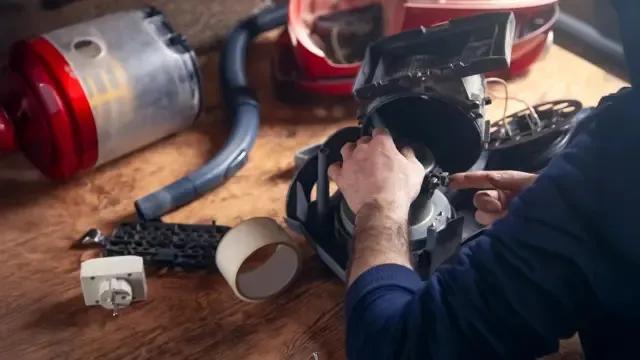
Industrial cleaning machines have become an essential part of maintaining hygiene and operational efficiency across various industries. From manufacturing plants and warehouses to hospitals, shopping malls, airports, hotels, and commercial complexes, these machines help maintain clean and safe environments while reducing manual effort. However, simply investing in high-quality equipment is not enough. Like any mechanical system, cleaning machines require regular servicing to continue performing efficiently.
Routine maintenance is often overlooked until a machine develops a problem. Unfortunately, delaying maintenance can lead to costly repairs, unexpected downtime, and reduced equipment life. Regular machine servicing helps businesses avoid these issues by ensuring that every component functions properly. It not only improves machine performance but also protects the investment by significantly extending the equipment's lifespan.
This article explains why regular servicing is important, how it benefits businesses, and the maintenance practices that help industrial cleaning machines deliver reliable performance for years.
Understanding the Importance of Regular Machine Servicing
Cleaning machines operate under demanding conditions every day. Dust, dirt, moisture, chemicals, and continuous operation gradually affect internal and external components. Motors, batteries, brushes, filters, pumps, hoses, wheels, and electrical systems experience wear and tear over time.
Without regular inspections and maintenance, these small issues accumulate and eventually lead to machine failure. Routine servicing allows technicians to inspect all major components, identify early signs of damage, clean internal systems, lubricate moving parts, replace worn-out components, and ensure that the equipment continues operating at maximum efficiency.
Preventive servicing is always more affordable than repairing a major breakdown or replacing an expensive machine.
How Regular Servicing Extends Equipment Lifespan
One of the biggest advantages of scheduled maintenance is that it keeps every component working within its designed limits. When moving parts are properly lubricated and cleaned, friction is reduced, preventing excessive wear.
Similarly, replacing damaged brushes, clogged filters, worn squeegees, or leaking hoses at the right time prevents additional strain on motors and pumps. Proper battery maintenance also improves charging efficiency and extends battery life.
By reducing stress on individual components, regular servicing helps the entire machine remain reliable and productive for many years.
Key Benefits of Routine Machine Maintenance
Improved Operational Efficiency
Well-maintained machines deliver consistent cleaning performance every time they are used. Clean filters allow better airflow, properly functioning brushes improve scrubbing efficiency, and maintained suction systems collect dust and debris more effectively.
As a result, operators can complete cleaning tasks faster while achieving higher cleaning standards.
Lower Repair Costs
Minor issues are inexpensive to fix when detected early. During routine servicing, technicians can replace small components before they cause larger mechanical failures.
Ignoring these warning signs often results in expensive repairs involving motors, pumps, electrical systems, or control panels.
Preventive maintenance saves businesses significant repair expenses over time.
Reduced Equipment Downtime
Unexpected machine failures interrupt cleaning schedules and reduce workplace productivity. Downtime may also delay business operations in factories, warehouses, hospitals, airports, and commercial facilities.
Scheduled servicing minimizes these interruptions by keeping machines in excellent working condition throughout the year.
Better Safety for Operators
Cleaning equipment contains electrical components, rotating brushes, hydraulic systems, and moving mechanical parts. Damaged cables, leaking hoses, faulty switches, or worn mechanical parts can create safety hazards.
Routine inspections identify these risks early, ensuring safer operation and reducing the chances of workplace accidents.
Increased Return on Investment
Industrial cleaning equipment represents a significant investment for any business. Regular servicing helps maximize this investment by extending equipment life, reducing maintenance costs, improving reliability, and delaying replacement expenses.
Machines that are properly maintained also retain better resale value.
Essential Maintenance Practices
Businesses should follow a preventive maintenance schedule that includes routine daily checks and professional servicing at recommended intervals.
Some important maintenance practices include:
Clean the machine thoroughly after every use.
Empty recovery tanks and clean solution tanks.
Inspect brushes and replace them when worn.
Clean or replace air filters regularly.
Check squeegee blades for damage.
Inspect hoses for cracks or leaks.
Tighten loose bolts and fasteners.
Lubricate moving mechanical parts.
Check wheels and bearings.
Monitor battery condition and charging cycles.
Inspect electrical wiring and connectors.
Test machine controls and safety features regularly.
These simple maintenance practices greatly improve equipment reliability and reduce unexpected failures.
Common Signs Your Machine Requires Servicing
Cleaning machines often display warning signs before a major breakdown occurs. Paying attention to these indicators can help prevent expensive repairs.
Some common signs include:
Reduced cleaning efficiency
Weak suction performance
Water leakage
Unusual vibrations
Strange noises during operation
Battery draining quickly
Slow machine movement
Poor brush rotation
Warning lights on the control panel
Burning smell from electrical components
Whenever these symptoms appear, servicing should be scheduled immediately to avoid further damage.
The Role of Professional Servicing
While daily maintenance can be performed by machine operators, professional servicing provides a much deeper inspection. Experienced technicians have the knowledge, tools, and replacement parts required to identify hidden issues that are difficult to detect during routine cleaning.
Professional servicing typically includes:
Complete machine inspection
Electrical system testing
Motor performance evaluation
Battery health analysis
Pump and vacuum system inspection
Lubrication of moving components
Software or controller diagnostics where applicable
Replacement of worn parts using genuine components
Performance testing before returning the machine to operation
This comprehensive approach helps maintain maximum machine efficiency and reliability.
Creating a Preventive Maintenance Schedule
A preventive maintenance plan helps businesses keep equipment operating efficiently throughout the year. Instead of waiting for machines to fail, maintenance is scheduled based on operating hours or manufacturer recommendations.
An effective maintenance schedule should include:
Daily cleaning after operation
Weekly inspections of filters, brushes, and hoses
Monthly lubrication and battery checks
Quarterly professional servicing
Annual comprehensive inspection and replacement of heavily worn components
Maintaining detailed service records also helps businesses monitor machine health and plan maintenance more effectively.
Why Preventive Maintenance Saves Money
Many businesses postpone servicing to reduce short-term expenses. However, this approach often leads to much higher long-term costs.
Preventive maintenance reduces:
Emergency repair expenses
Unexpected downtime
Replacement of expensive components
Energy consumption
Labour costs associated with machine failures
Well-maintained machines also operate more efficiently, allowing businesses to complete cleaning tasks in less time while consuming fewer resources.
Conclusion
Regular machine servicing is one of the smartest investments businesses can make to protect their industrial cleaning equipment. Preventive maintenance extends equipment lifespan, improves cleaning efficiency, reduces repair costs, minimizes downtime, enhances workplace safety, and delivers better long-term value. By partnering with the best service of cleaning machines in India, businesses can ensure their equipment remains reliable, productive, and ready to perform at its highest efficiency for years to come.