

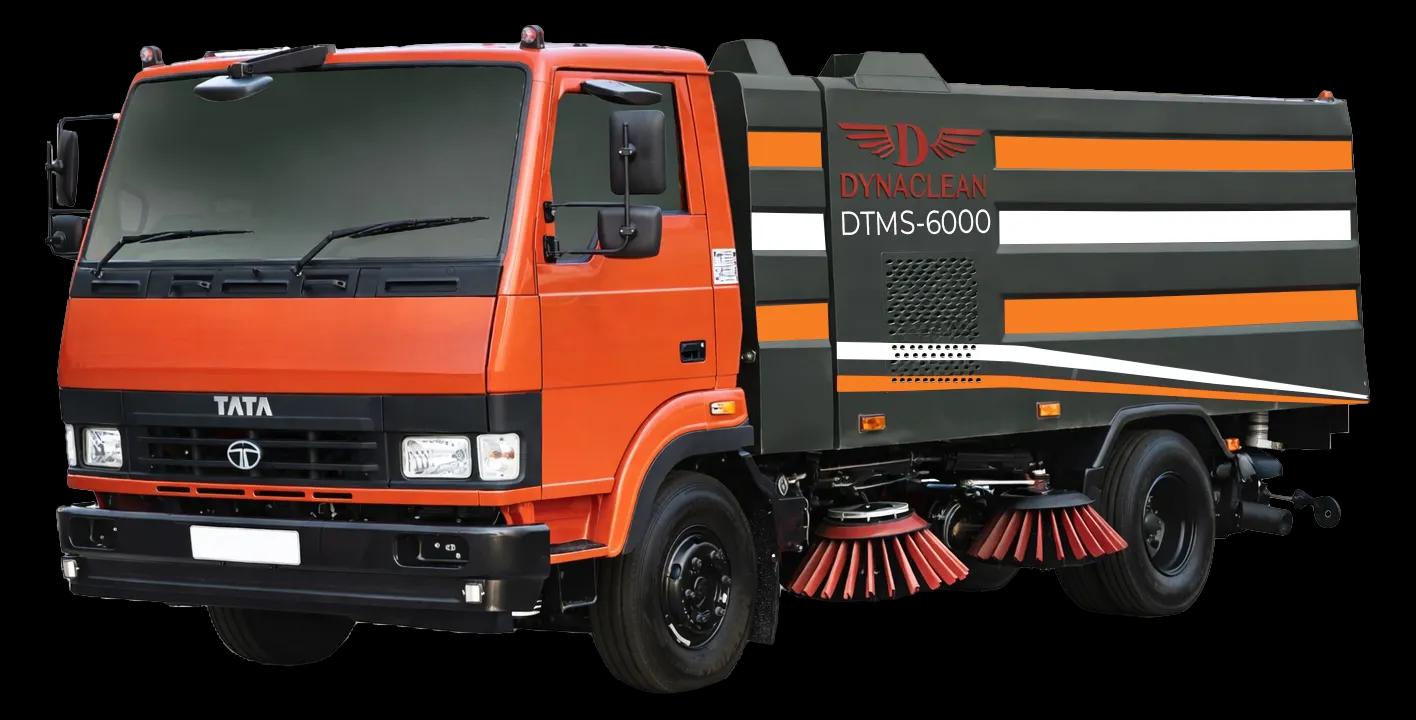
Maintaining clean highways, expressways, industrial roads, and public spaces is essential for ensuring road safety, improving air quality, and supporting efficient transportation. With increasing traffic and urban development, manual road cleaning is often time-consuming, labor-intensive, and less effective for covering large areas. A Diesel Operated Highway Sweeper Truck provides an efficient solution for collecting dust, sand, leaves, gravel, and other debris from road surfaces.
However, selecting the right highway sweeper truck requires careful consideration of several factors, including engine performance, sweeping capacity, dust suppression technology, fuel efficiency, maintenance costs, and manufacturer support. Choosing suitable equipment can help businesses and municipalities improve cleaning productivity while managing long-term operating expenses. Here are the essential factors to consider when purchasing a diesel operated highway sweeper truck.
1. Understand Your Road Cleaning Requirements
The first step in choosing the right diesel operated highway sweeper truck is understanding your cleaning requirements. Different applications demand different cleaning capabilities. For example, national highways and expressways may require high-capacity machines that can cover long distances, while industrial roads may need equipment capable of collecting heavier dust, sand, and debris.
Before selecting a model, evaluate the road surface, cleaning frequency, amount of accumulated dust, and total area that needs maintenance. You should also consider whether the machine will operate in urban areas, industrial facilities, construction zones, or high-traffic highway environments.
Understanding these requirements helps you choose a highway sweeper truck that delivers consistent performance and meets your daily operational needs.
2. Evaluate Engine Performance and Power
Engine performance plays a significant role in determining the productivity and reliability of a diesel operated highway sweeper truck. A suitable diesel engine should provide sufficient power for continuous sweeping, transportation, and operation under different road conditions.
When comparing models, review engine specifications, power output, fuel consumption, and the vehicle's ability to operate during extended cleaning shifts. A truck with appropriate engine capacity can support demanding cleaning operations without compromising performance.
It is also important to consider the vehicle's suitability for gradients, uneven surfaces, and frequent stops. Selecting a model with reliable engine performance helps maintain operational efficiency and supports long-term equipment use.
3. Check Dust Suppression and Filtration Technology
Dust control is one of the most important features of a highway sweeper truck. During road cleaning, accumulated dust can become airborne and affect surrounding areas. An effective dust suppression system helps minimize dust emissions during sweeping operations.
Look for a machine equipped with suitable water spraying arrangements, efficient dust collection mechanisms, and filtration technology where applicable. These features help capture fine dust particles and improve cleaning effectiveness.
Advanced dust management systems are particularly beneficial for highways, industrial areas, and urban roads where dust accumulation can affect nearby communities and road users. By prioritizing dust suppression, businesses can support cleaner surroundings and more effective road maintenance.
4. Consider Hopper Capacity and Debris Collection
The hopper is responsible for collecting and storing dust, dirt, and debris during cleaning operations. Its capacity directly influences how frequently the truck needs to stop for unloading.
A larger hopper may be beneficial for cleaning extensive highways and expressways because it can reduce interruptions and improve operational productivity. However, the ideal capacity depends on the amount of debris collected, the cleaning area, and the vehicle's overall specifications.
You should also evaluate the debris collection system, suction performance, and accessibility of the hopper for unloading and cleaning. An efficient collection system helps ensure that collected material is removed effectively from road surfaces.
Choosing the right hopper capacity allows operators to balance cleaning efficiency, vehicle requirements, and daily productivity.
5. Evaluate Sweeping Width and Brush Performance
Sweeping width determines how much road surface a machine can clean in a single pass. A wider sweeping system can help reduce the number of passes required, making it useful for highways, expressways, and large industrial roads.
When comparing a diesel operated highway sweeper truck, examine its main brushes, side brushes, brush adjustment mechanisms, and ability to collect debris from road edges. High-quality brushes should be suitable for the road surface and the type of dirt being collected.
The brush system should also allow convenient inspection and replacement when required. Proper brush maintenance helps maintain consistent cleaning performance and reduces unnecessary wear.
Selecting the right sweeping width and brush configuration can improve coverage, reduce cleaning time, and support more productive road maintenance operations.
6. Compare Fuel Efficiency and Operating Costs
Fuel efficiency is another important consideration when purchasing a diesel operated highway sweeper truck. Since these machines may operate for several hours daily, fuel consumption can significantly influence overall operating expenses.
Compare the expected fuel usage of different models according to their engine specifications, operating conditions, and cleaning requirements. Remember that actual fuel consumption may vary depending on traffic, road conditions, load, and operating practices.
In addition to fuel expenses, calculate the cost of brushes, filters, lubricants, replacement parts, routine servicing, and operator training. Evaluating the total cost of ownership rather than only the initial purchase price helps you make a more practical investment decision.
7. Prioritize Maintenance and After-Sales Support
Regular maintenance is essential for keeping highway sweeping equipment in good working condition. Before purchasing a truck, check how easily its major components can be inspected, serviced, and replaced.
Ask the manufacturer about warranty coverage, spare parts availability, service response times, and technical assistance. Reliable after-sales support can help minimize unexpected downtime and ensure that maintenance issues are addressed promptly.
It is also beneficial to review the recommended maintenance schedule and understand the servicing requirements of the engine, brushes, filters, hydraulic systems, and debris collection components.
Choosing equipment backed by dependable technical support can improve reliability and help extend its service life.
8. Choose a Trusted Highway Sweeper Truck Manufacturer
Selecting the right manufacturer is just as important as comparing machine specifications. A dependable manufacturer should provide clear product information, technical guidance, and support throughout the equipment's service life.
Before making a purchase, compare available models, examine their features, and confirm whether they meet your operational requirements. You can also request a product demonstration to understand the machine's performance and operating procedures.
Dynaclean Industries offers cleaning equipment solutions for various industrial and road cleaning applications. Businesses and municipal authorities can explore suitable equipment options based on their cleaning requirements, performance expectations, and maintenance needs.
Working with a reliable supplier helps you make an informed decision and select equipment suited to your long-term road maintenance goals.
Conclusion
Choosing the right diesel operated highway sweeper truck requires evaluating several factors, including engine performance, dust suppression, hopper capacity, sweeping width, fuel efficiency, maintenance requirements, and manufacturer support. Each feature contributes to the machine's overall productivity and suitability for specific cleaning applications.
By carefully comparing these factors, municipalities, infrastructure companies, highway contractors, and industrial facility managers can select equipment that meets their operational needs. Investing in a suitable highway sweeper truck can help reduce manual cleaning efforts, improve debris collection, maintain cleaner roads, and enhance daily cleaning productivity.
For businesses seeking dependable road cleaning solutions, evaluating the available options from Dynaclean Industries can be a useful step toward selecting the right diesel operated highway sweeper truck for efficient and consistent road maintenance.