

How to Improve Highway Cleaning Productivity with Modern Sweeper Trucks
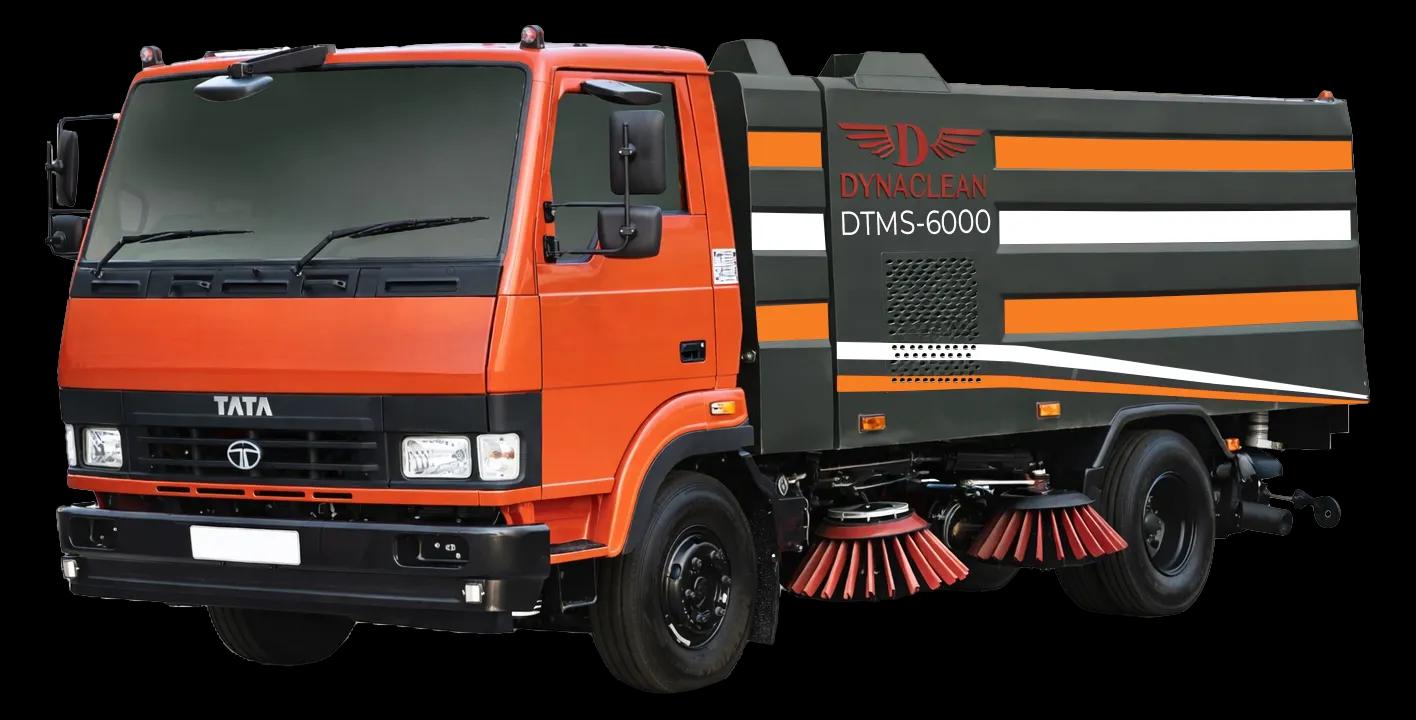
Highway cleanliness plays an important role in maintaining road safety, improving traffic conditions, and creating a healthier environment. With increasing urbanisation, growing vehicle populations, and expanding road networks, maintaining clean highways has become a major responsibility for road maintenance authorities and infrastructure management companies. Traditional cleaning methods often require significant manpower, time, and resources, making them less effective for large-scale cleaning operations.
Modern sweeper trucks have transformed highway maintenance by offering advanced cleaning technology, improved operational efficiency, and faster cleaning capabilities. These machines are designed to remove dust, sand, leaves, stones, and other debris from road surfaces. By adopting modern sweeping solutions, organisations can improve cleaning productivity, reduce labour requirements, and maintain cleaner highways.
1. Use Advanced Sweeper Trucks for Faster Cleaning
One of the most effective ways to improve highway cleaning productivity is by using modern sweeper trucks. These machines are specially designed to clean extensive road surfaces within a shorter period. Equipped with rotating brushes, powerful suction systems, and efficient debris collection mechanisms, they can remove different types of roadside waste effectively.
Unlike traditional manual cleaning methods, modern sweeper trucks can cover larger areas in less time. Their advanced sweeping technology helps maintain consistent cleaning performance, making them suitable for highways, expressways, industrial roads, and other large public spaces.
2. Reduce Manual Cleaning Efforts and Labour Costs
Manual highway cleaning requires considerable manpower and physical effort. Workers often need to spend long hours collecting dust, leaves, and roadside waste. Additionally, working near moving traffic can expose cleaning personnel to potential safety risks.
Modern sweeper trucks help reduce dependency on manual labour by automating major cleaning activities. A single machine operated by a trained driver can perform several cleaning tasks efficiently. This allows organisations to manage their workforce more effectively while reducing labour requirements and operational expenses.
By minimising manual intervention, businesses and municipal authorities can improve productivity and allocate their workforce to other important maintenance activities.
3. Improve Dust Control and Air Quality
Dust accumulation on highways is a common problem, particularly in areas with heavy vehicle movement and construction activities. Excessive road dust can reduce visibility, affect air quality, and create an uncomfortable environment for commuters and nearby communities.
Modern highway sweeper trucks are equipped with advanced dust suppression and collection systems. Depending on the machine configuration, water spraying technology helps minimise airborne dust during sweeping operations, while suction systems collect fine dust and debris.
These features support better dust management and help maintain cleaner road surfaces. Regular highway sweeping also reduces the accumulation of loose materials that can contribute to dust generation.
4. Choose the Right Sweeper Truck for Highway Cleaning
Selecting the right cleaning equipment is essential for achieving maximum productivity. Every highway has different cleaning requirements depending on its width, traffic density, road conditions, and surrounding environment.
Before purchasing a sweeper truck, organisations should evaluate important specifications such as:
Engine Performance: A reliable engine supports consistent operation during demanding cleaning activities.
Sweeping Width: A wider sweeping mechanism can help cover larger road surfaces efficiently.
Hopper Capacity: Higher debris storage capacity reduces frequent unloading interruptions.
Suction Power: Efficient suction helps collect dust, sand, and other road debris.
Water Tank Capacity: Adequate water storage supports effective dust suppression.
Operational Efficiency: Fuel consumption, maintenance requirements, and overall machine performance should be considered.
Choosing equipment according to specific highway cleaning requirements ensures better performance and long-term operational value.
5. Follow Regular Maintenance Practices
Regular maintenance is important for keeping highway sweeper trucks in excellent working condition. Even advanced cleaning equipment requires proper inspection and servicing to maintain consistent performance.
Cleaning brushes, checking hydraulic systems, inspecting suction hoses, replacing damaged filters, and monitoring engine performance can help prevent unexpected breakdowns. Operators should also check water spraying systems and debris collection components before starting daily cleaning operations.
Following a scheduled maintenance programme improves machine reliability, extends equipment lifespan, and reduces unnecessary repair expenses. Well-maintained machines also help ensure uninterrupted highway cleaning operations.
6. Improve Productivity with Skilled Machine Operators
Advanced cleaning technology delivers better results when operated by trained professionals. Skilled operators understand machine controls, sweeping functions, operating speeds, and safety procedures.
Proper operator training helps ensure that the sweeper truck is used efficiently according to road conditions and cleaning requirements. Operators can also identify minor technical issues before they develop into major problems.
Organisations should provide regular training sessions covering machine operation, preventive maintenance, workplace safety, and efficient cleaning techniques. Combining skilled operators with modern machinery helps achieve better cleaning quality and improved productivity.
7. Plan Efficient Highway Cleaning Schedules
Effective planning is another important factor in improving highway cleaning productivity. Cleaning schedules should be developed according to traffic movement, road conditions, dust accumulation, and weather conditions.
Highways with heavy traffic may require more frequent cleaning, while less congested routes can follow scheduled maintenance intervals. Conducting cleaning operations during suitable low-traffic periods can also minimise traffic disruptions and improve machine efficiency.
Proper route planning helps reduce unnecessary machine movement, saves fuel, and ensures that important road sections receive timely cleaning attention.
8. Focus on Road Safety and Environmental Benefits
Clean highways contribute to safer and more comfortable road conditions. Accumulated sand, stones, leaves, and other debris can create potential hazards for vehicles, particularly two-wheelers. Regular sweeping helps remove loose materials and supports better road maintenance.
Modern sweeper trucks also help organisations manage cleaning activities more systematically. Their dust collection and suppression features support cleaner surroundings, while reduced manual intervention can improve worker safety during highway maintenance operations.
Investing in efficient road cleaning equipment is therefore beneficial not only for productivity but also for maintaining public infrastructure and environmental standards.
Conclusion
Modern sweeper trucks are transforming highway maintenance by making road cleaning faster, safer, and more efficient. From reducing manual labour and controlling dust to improving operational planning and minimising maintenance interruptions, these machines offer several advantages for highway cleaning operations.
Selecting reliable equipment and following proper maintenance practices can help organisations achieve consistent cleaning performance and long-term operational efficiency. Investing in a high-performance Diesel operated Highway Sweeper Truck from Dynaclean Industries can help businesses and road maintenance authorities improve highway cleaning productivity, maintain cleaner roads, and support efficient infrastructure management.