

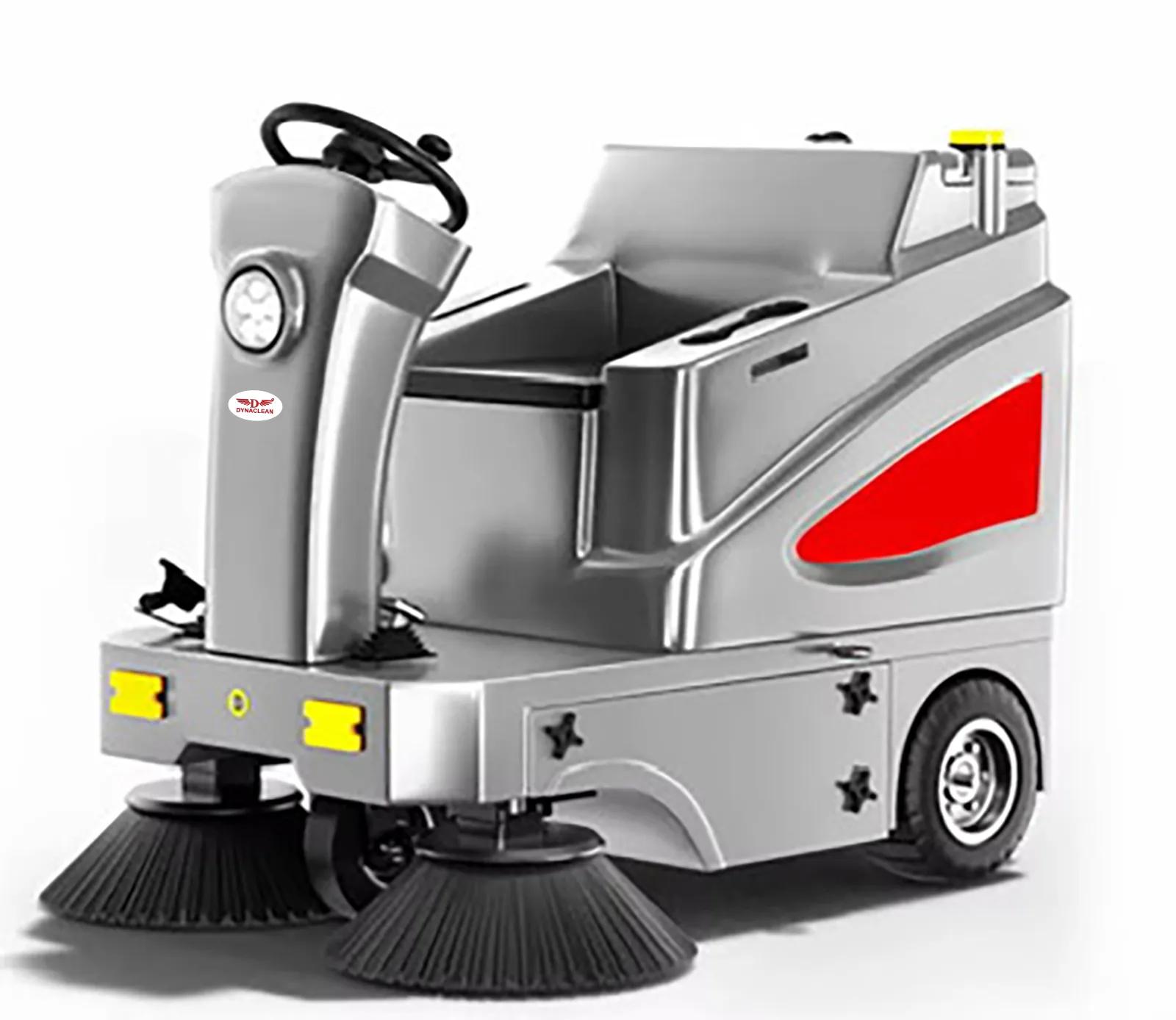
Industrial cleaning machines are essential assets in manufacturing units, warehouses, hospitals, airports, and commercial facilities. They ensure hygiene, improve operational efficiency, and maintain workplace safety standards. However, these machines require proper care and maintenance. Even small mistakes in handling or servicing can lead to reduced performance, higher repair costs, and unexpected downtime. Understanding common maintenance mistakes helps businesses extend machine life and improve productivity.
Ignoring Regular Maintenance Schedules
One of the most common and costly mistakes is neglecting routine maintenance schedules. Many businesses operate cleaning machines continuously and only respond when a breakdown occurs. This reactive approach often leads to severe internal damage that could have been prevented.
Every industrial cleaning machine is designed with a maintenance cycle that includes inspection, lubrication, calibration, and part replacement. When these schedules are ignored, components like motors, belts, and suction systems begin to degrade faster. Over time, this results in reduced efficiency and higher energy consumption.
Following a structured maintenance plan ensures early detection of issues and keeps machines running at optimal performance. Preventive maintenance is always more cost-effective than emergency repairs.
Using the Wrong Cleaning Chemicals
Another major mistake is using incorrect or low-quality cleaning chemicals. Industrial machines are engineered to work with specific cleaning solutions. When unsuitable chemicals are used, they can damage internal components, corrode metal parts, and weaken seals and hoses.
Harsh chemicals may also leave residues that clog internal systems, reducing suction power and cleaning efficiency. In some cases, they can even void the manufacturer’s warranty.
To avoid such issues, operators should strictly follow manufacturer recommendations for cleaning agents. Using approved solutions not only protects the machine but also ensures consistent cleaning results across surfaces.
Neglecting Filter and Brush Maintenance
Filters and brushes are among the most important components of industrial cleaning machines. They are responsible for capturing dust, debris, and fine particles during operation. However, they are often overlooked during routine maintenance.
When filters become clogged, airflow is restricted, forcing the motor to work harder. This leads to overheating and reduces the machine’s overall efficiency. Similarly, worn-out brushes fail to clean surfaces effectively, leaving behind dirt and residues.
Regular cleaning and timely replacement of filters and brushes are essential. Businesses should inspect these parts frequently, especially in high-dust environments such as factories and construction sites. Proper care of these components significantly improves machine performance and lifespan.
Improper Storage of Machines
Storage conditions play a crucial role in maintaining industrial cleaning machines. Unfortunately, many businesses store their equipment in unsuitable environments such as open areas, humid rooms, or dusty corners.
Exposure to moisture can cause rusting of metal parts, while excessive dust can clog internal systems. Extreme temperatures may also damage batteries and electronic components.
Machines should always be stored in a clean, dry, and temperature-controlled environment. Before storage, they should be properly cleaned, dried, and covered. Taking these simple steps ensures the machine remains in good working condition and is ready for use whenever required.
Ignoring Operator Training
Even the most advanced cleaning machine can underperform if operated incorrectly. A common mistake is allowing untrained or inexperienced staff to use the equipment.
Improper handling can lead to overloading, incorrect settings, or even accidental damage. Operators may also skip essential maintenance steps due to lack of awareness, which further reduces machine efficiency.
Proper training ensures that staff understand machine functions, safety guidelines, and basic troubleshooting techniques. Well-trained operators not only improve cleaning performance but also reduce the likelihood of costly repairs. Investing in training is just as important as investing in the machine itself.
Delaying Professional Servicing
Many businesses rely only on in-house maintenance and delay professional servicing to save costs. However, this often leads to bigger problems in the long run. Small technical issues, if left unresolved, can turn into major mechanical failures.
Professional technicians have the expertise and tools to diagnose problems accurately and provide long-term solutions. Partnering with experts who offer the best service of cleaning machines in India ensures that machines receive timely inspections, genuine spare parts, and proper repairs.
Regular professional servicing also helps maintain warranty conditions and ensures that machines operate at peak efficiency throughout their lifecycle.
Overlooking Early Warning Signs
Another mistake often ignored is failing to notice early warning signs such as unusual noise, reduced suction power, vibrations, or inconsistent cleaning results. These signs usually indicate underlying mechanical issues.
Ignoring them can lead to complete machine failure. Operators should be trained to recognize these symptoms and report them immediately for inspection. Early action prevents costly downtime and extends equipment life.
Conclusion
Maintaining industrial cleaning machines requires consistency, awareness, and proper care. Avoiding mistakes such as neglecting maintenance schedules, using wrong chemicals, ignoring filter care, improper storage, and delaying professional servicing can significantly improve machine performance.
When businesses invest time in proper maintenance practices and seek timely professional support, they ensure long-lasting efficiency, reduced operational costs, and better cleaning results. Ultimately, a well-maintained machine is not just equipment—it is a long-term productivity asset for any industry.