

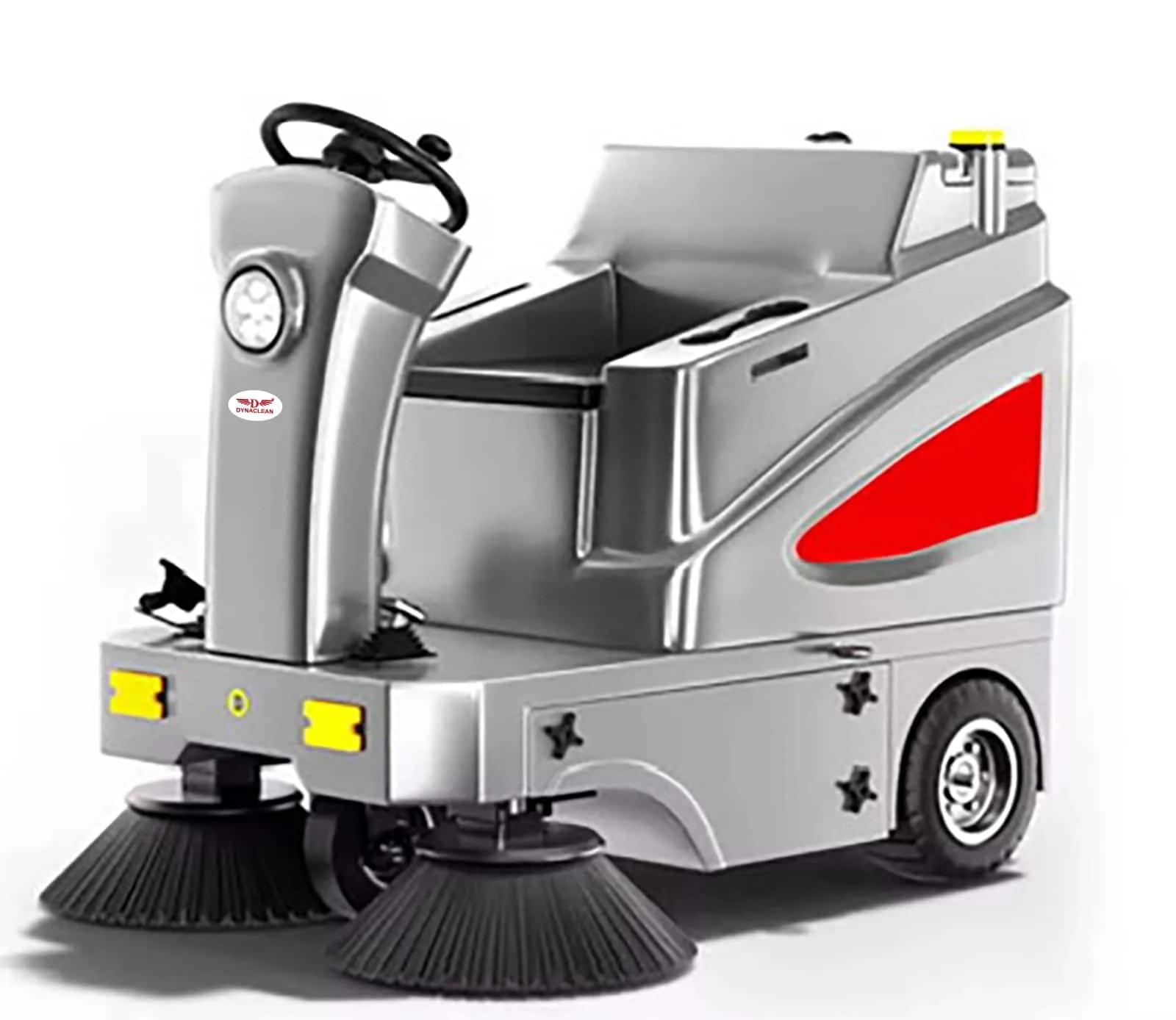
A Ride On Sweeper Machine is an efficient cleaning solution designed for maintaining large areas such as warehouses, factories, parking lots, commercial spaces, roads, airports, and industrial facilities. These machines help reduce manual cleaning efforts while delivering faster and more consistent sweeping results. However, like any other industrial equipment, regular maintenance is essential to keep a ride-on sweeper working efficiently.
Proper maintenance can improve cleaning performance, reduce unexpected breakdowns, extend machine life, and lower operating costs. By following a systematic maintenance routine, businesses can ensure their sweeping equipment remains reliable and ready for daily cleaning operations. Below are some important maintenance tips to keep your ride-on sweeper performing at its best.
1. Clean the Machine After Every Use
One of the simplest yet most important maintenance practices is cleaning the machine after every use. Dust, dirt, leaves, plastic pieces, paper, and other debris can accumulate around the brushes, wheels, hopper, and other components.
Remove collected debris from the machine after completing the cleaning task. Pay particular attention to areas around the main brush and side brushes, as materials such as wires, threads, plastic strips, and packaging materials can become tangled.
Regular cleaning prevents unnecessary blockages and helps ensure that the machine is ready for its next operation. It also makes it easier for operators to identify damaged or worn components during routine inspections.
2. Inspect the Main and Side Brushes
Brushes are among the most important components of a Ride On Sweeper Machine because they directly affect sweeping quality. Over time, continuous contact with floors and debris can cause the bristles to wear down.
Operators should regularly inspect both the main roller brush and side brushes for excessive wear, damage, or tangled materials. If the bristles become too short or damaged, sweeping efficiency may decrease, leaving dust and debris behind.
Brushes should also be correctly adjusted according to the machine manufacturer's recommendations. Proper brush adjustment ensures effective contact with the cleaning surface without causing unnecessary wear.
3. Keep the Dust Filter Clean
The dust filter plays an important role in controlling fine dust during sweeping operations. A clogged or dirty filter can restrict airflow and reduce the overall cleaning efficiency of the machine.
Clean the filter at regular intervals according to the operating environment and manufacturer's instructions. Machines used in cement plants, factories, warehouses, construction areas, or other dusty environments may require more frequent filter maintenance.
Inspect the filter for damage and replace it when necessary. A clean and properly functioning filter helps maintain effective dust control and supports better machine performance.
4. Maintain the Battery Properly
Many modern ride-on sweepers use rechargeable batteries, making battery maintenance an important part of machine care. Operators should follow the recommended charging procedure provided by the manufacturer.
Regularly inspect battery terminals, cables, connectors, and charging points for signs of damage or loose connections. Keep the battery area clean and follow the appropriate safety practices when handling batteries.
Avoid using unsuitable chargers or ignoring recommended charging procedures. Proper battery care can help maintain consistent operating performance and may also contribute to longer battery service life.
5. Check Wheels and Tyres
Wheels and tyres affect the movement, stability, and overall operation of a ride-on sweeper. Inspect them regularly for cracks, excessive wear, punctures, or other visible damage.
If the machine uses pneumatic tyres, check tyre pressure according to the manufacturer's recommendations. Incorrect tyre pressure can affect machine handling and cleaning performance.
Also check whether debris or other materials are stuck around the wheels. Keeping the wheels in good condition allows the machine to move smoothly across warehouses, factories, parking areas, and other cleaning surfaces.
6. Empty and Clean the Debris Hopper
The hopper collects dust and debris during sweeping operations. Allowing it to become excessively full can affect cleaning efficiency and may put unnecessary strain on the machine.
Empty the hopper at suitable intervals based on the amount of debris being collected. After emptying it, clean the hopper and inspect it for cracks, damage, or blockages.
A clean and properly maintained hopper helps ensure efficient debris collection and prevents unnecessary interruptions during cleaning operations.
7. Inspect the Suction and Dust-Control System
The suction or dust-control system is important for collecting fine dust and preventing excessive dust from spreading into the surrounding area. Regularly inspect suction pathways, seals, hoses, and related components for blockages or damage.
If suction performance appears weaker than usual, check the filter and suction system before continuing with intensive cleaning operations. Identifying small problems early can prevent more serious performance issues later.
8. Check Belts, Cables, and Moving Components
Ride-on sweeping machines contain several mechanical and electrical components that work together during operation. Belts, cables, connectors, and moving parts should be inspected periodically.
Look for signs of excessive wear, looseness, cracks, or unusual noises during operation. Any damaged component should be repaired or replaced according to the manufacturer's recommendations.
Do not ignore unusual sounds, vibrations, or changes in machine performance. These can sometimes indicate that a component requires inspection or servicing.
9. Follow a Regular Maintenance Schedule
A structured maintenance schedule makes it easier to keep a Ride On Sweeper Machine in good working condition. Daily, weekly, and monthly inspection tasks can be established depending on machine usage.
Daily maintenance may include cleaning the machine, emptying the hopper, checking brushes, and inspecting visible components. Weekly checks can include battery connections, tyres, filters, and mechanical parts. More detailed servicing should be performed according to the manufacturer's recommended service intervals.
Maintaining a service record can also help businesses track repairs, component replacements, and routine inspections.
10. Train Operators Properly
Machine maintenance is not limited to technical servicing. Proper operator training is equally important. Operators should understand how to start, operate, stop, charge, clean, and inspect the machine correctly.
They should also know the machine's recommended operating conditions and avoid using it in situations beyond its intended capabilities. Careful operation can reduce unnecessary wear and help prevent avoidable damage.
11. Avoid Overloading the Machine
Every sweeping machine is designed with specific operating capacities. Avoid overloading the debris hopper or operating the machine continuously beyond recommended limits.
Overloading can affect cleaning efficiency and place additional stress on different machine components. Operators should empty the hopper whenever required and follow the manufacturer's operating guidelines.
12. Schedule Professional Servicing
Even with regular daily maintenance, professional servicing is important for long-term machine reliability. Trained technicians can inspect mechanical, electrical, and cleaning components that may not be easy for regular operators to evaluate.
Professional servicing can help identify worn parts before they cause major failures. Timely replacement of components can also reduce downtime and maintain consistent cleaning performance.
Benefits of Regular Ride-On Sweeper Maintenance
Regular maintenance provides several advantages for businesses using industrial cleaning equipment. A properly maintained machine can deliver more consistent cleaning results, reduce unexpected downtime, improve operator productivity, and support a longer equipment lifespan.
Maintenance can also help businesses avoid unnecessary repair expenses. Small issues identified during routine inspections are generally easier to address than major failures caused by neglected components.
For facilities that depend on daily cleaning, preventive maintenance is particularly valuable because equipment availability directly affects cleaning schedules and operational efficiency.
Conclusion
Maintaining a Ride On Sweeper Machine is essential for achieving reliable performance and consistent cleaning results. Regularly cleaning the machine, inspecting brushes, maintaining filters, checking batteries and tyres, emptying the hopper, and monitoring mechanical components can help prevent common operational problems.
Businesses should also follow the manufacturer's maintenance recommendations and schedule professional servicing at appropriate intervals. With proper care and trained operators, a ride-on sweeper can remain an effective solution for cleaning large industrial and commercial areas.
Investing in regular maintenance not only protects the cleaning equipment but also improves productivity and reduces long-term operating costs. For businesses looking for dependable industrial cleaning solutions, choosing quality equipment from an experienced Manufacturer of Cleaning Equipment can further support efficient and professional facility maintenance.