

What Is a Diesel Operated Highway Sweeper Truck and How Does It Work?
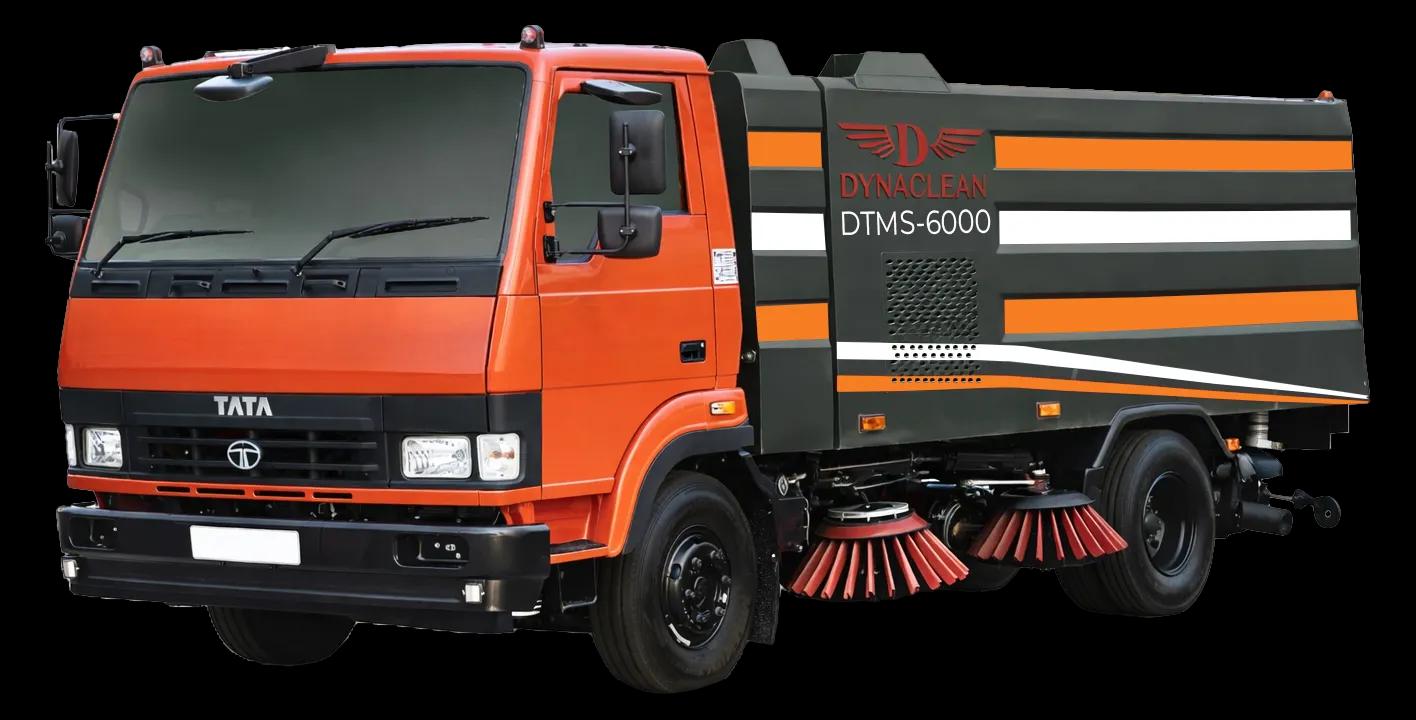
Keeping highways, expressways, industrial roads, and large public areas clean is important for road safety, smooth traffic movement, and environmental hygiene. With increasing traffic and urban development, traditional manual road cleaning methods are often not sufficient for maintaining large road networks. This is where a Diesel Operated Highway Sweeper Truck plays an important role.
A diesel operated highway sweeper truck is a heavy-duty road cleaning vehicle designed to remove dust, dirt, sand, leaves, stones, construction debris, and other unwanted materials from road surfaces. Equipped with powerful sweeping brushes, suction systems, water spraying arrangements, and waste collection hoppers, these machines can clean large areas efficiently while reducing manual labor requirements.
What Is a Diesel Operated Highway Sweeper Truck?
A Diesel Operated Highway Sweeper Truck is a specialized road cleaning machine powered by a diesel engine. Unlike small cleaning machines designed for limited areas, highway sweeper trucks are built for demanding applications and long-duration operations.
These trucks generally combine mechanical sweeping and vacuum suction technologies. Rotating brushes collect debris from the road surface, while the suction system transfers the collected material into a storage hopper. Water spray systems may also be used to suppress dust during sweeping.
Diesel highway sweepers are suitable for highways, expressways, bridges, municipal roads, industrial areas, construction zones, airports, ports, and other locations where large-scale cleaning is required.
How Does a Diesel Highway Sweeper Truck Work?
The working mechanism of a highway sweeper truck involves multiple systems working together. The process begins when the vehicle moves along the road at a controlled speed.
1. Water Spraying and Dust Suppression
Before or during sweeping, water can be sprayed onto the road surface. The water helps reduce airborne dust and prevents fine particles from becoming suspended in the air.
This feature is particularly useful when cleaning dry and dusty roads, construction areas, and industrial locations.
2. Side Brushes Collect Road Debris
The side brushes are positioned near the sides of the vehicle. As they rotate, they collect dust, sand, leaves, stones, and other debris from the edges of the road.
The brushes direct the collected material toward the central cleaning area, where the main brush and suction system can collect it.
3. Main Sweeping Brush
The main brush plays a major role in the cleaning process. It rotates continuously and gathers debris from the road surface.
Depending on the design of the machine, the brush can be adjusted according to the road conditions and cleaning requirements. This allows the sweeper truck to handle different types of surfaces and debris.
4. Vacuum Suction System
After the brushes collect the debris, a powerful vacuum or suction system lifts the material from the road surface.
The suction system helps collect fine dust and smaller particles that may otherwise remain on the road. The waste is then transferred through a ducting system into the collection hopper.
5. Waste Collection Hopper
The collected material is stored inside a large-capacity hopper mounted on the truck. The hopper allows the sweeper to collect substantial amounts of waste before requiring disposal.
Once the hopper reaches its capacity, the operator can transport the vehicle to a suitable disposal location.
6. Hydraulic Waste Unloading
Modern sweeper trucks generally use hydraulic systems to lift and empty the waste hopper. The hydraulic mechanism makes unloading faster and reduces the physical effort required from operators.
After the hopper is emptied, the machine can return to cleaning operations.
Major Components of a Highway Sweeper Truck
A diesel operated road sweeper consists of several important components that work together to provide effective cleaning performance. Some of the major components include:
Diesel engine and power system
Side sweeping brushes
Main cylindrical sweeping brush
Vacuum suction system
Dust and debris collection hopper
Water spraying system
Hydraulic lifting and unloading mechanism
Air filtration system
Operator control panel
Storage and waste discharge system
The quality and design of these components directly influence the machine's cleaning efficiency, durability, and operating performance.
Key Features of Diesel Operated Highway Sweepers
Modern diesel highway sweeper trucks are designed to handle heavy-duty cleaning requirements. Depending on the model and application, they may include features such as high-capacity waste hoppers, adjustable sweeping brushes, powerful suction systems, dust suppression technology, hydraulic unloading, and easy-to-use operator controls.
A robust chassis and durable construction also help the vehicle operate effectively in demanding environments.
Benefits of Using a Diesel Operated Highway Sweeper Truck
One of the biggest advantages of using a Diesel Operated Highway Sweeper Truck is its ability to cover large road areas in less time. Instead of depending entirely on manual workers, organizations can use mechanized cleaning to improve productivity.
Faster Road Cleaning
A highway sweeper can cover extensive road sections efficiently, making it suitable for highways and other large surfaces.
Reduced Manual Labor
Mechanical sweeping reduces the need for large teams of workers to perform repetitive road cleaning tasks. This can help organizations optimize their workforce.
Consistent Cleaning Performance
Automated brushes and suction systems provide more consistent cleaning compared with irregular manual sweeping. Operators can control the cleaning process according to road conditions.
Better Dust Management
Water spraying and suction systems help control dust during cleaning. This is especially useful in dry environments and areas with significant dust accumulation.
Improved Road Appearance
Regular cleaning removes accumulated dirt, leaves, stones, and debris, helping maintain a cleaner and more organized road environment.
Suitable for Heavy-Duty Applications
Diesel-powered sweeper trucks are designed for demanding applications where long operating hours and large cleaning areas are common.
Where Are Highway Sweeper Trucks Used?
A diesel operated highway sweeper can be used in many industries and public infrastructure applications. Highway authorities and municipal organizations can use these machines for cleaning highways, expressways, bridges, service roads, and major urban roads.
Industrial facilities can also use road sweeper trucks to maintain internal roads, parking areas, warehouses, manufacturing zones, and logistics facilities.
Other applications may include airports, ports, mining areas, construction sites, power plants, commercial complexes, and large infrastructure projects.
Why Regular Highway Cleaning Is Important
Roads naturally accumulate dust, sand, leaves, stones, plastic waste, and other debris due to vehicle movement and environmental conditions. If this material is not removed regularly, it can affect the cleanliness and usability of the road.
Regular mechanical sweeping helps maintain cleaner surfaces and can support better road maintenance practices. It also helps prevent debris from accumulating around road edges, drains, and other areas.
For highway authorities and large organizations, using specialized road cleaning equipment can make routine maintenance more efficient.
How to Choose the Right Highway Sweeper Truck
When selecting a highway sweeper truck, organizations should consider factors such as road size, type of debris, operating hours, hopper capacity, sweeping width, suction performance, water tank capacity, maintenance requirements, and available service support.
It is also important to select equipment that matches the specific working environment. A machine used for highway cleaning may have different requirements compared with equipment used in an industrial facility.
Reliable after-sales support, availability of spare parts, operator training, and routine maintenance should also be considered before purchasing a road sweeper.
Conclusion
A Diesel Operated Highway Sweeper Truck is an efficient and practical solution for maintaining highways, expressways, industrial roads, and other large surfaces. By combining rotating brushes, powerful suction, water spraying, waste collection, and hydraulic unloading systems, these machines can perform large-scale road cleaning with greater efficiency and consistency.
As the demand for mechanized cleaning continues to grow, highway sweeper trucks are becoming an important part of modern road maintenance. Choosing the right machine based on cleaning requirements, operating conditions, capacity, and maintenance support can help organizations achieve better productivity and maintain cleaner, safer, and more presentable roads.