

What Makes a Diesel Operated Highway Sweeper Truck Ideal for Heavy-Duty Cleaning?
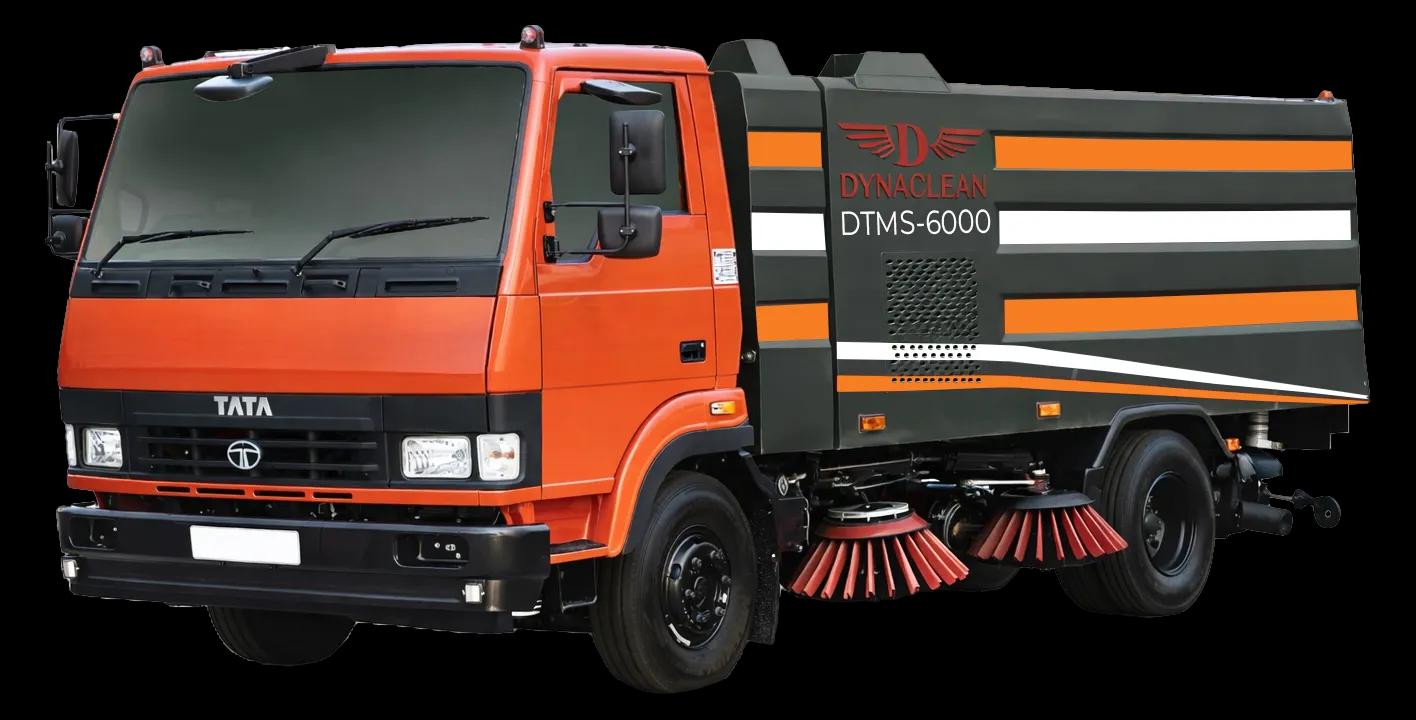
Maintaining clean highways, expressways, industrial roads, and large commercial areas is essential for ensuring road safety, reducing dust pollution, and creating a cleaner environment. However, cleaning extensive outdoor spaces using traditional methods can be time-consuming, labour-intensive, and challenging. Businesses, municipalities, and infrastructure management companies need efficient cleaning equipment that can handle demanding conditions and deliver consistent results.
A Diesel Operated Highway Sweeper Truck is an effective solution for heavy-duty cleaning applications. Designed to remove dust, sand, leaves, gravel, and other road debris, these machines combine powerful performance with mechanical sweeping and debris collection systems. Their ability to cover large areas makes them a valuable choice for organisations looking to improve road cleanliness and operational productivity.
1. Powerful Performance for Heavy-Duty Cleaning
One of the main reasons diesel operated highway sweeper truck are suitable for heavy-duty cleaning is their powerful engine performance. Diesel engines are commonly used in heavy commercial vehicles because they can deliver the power required for demanding outdoor applications.
Highways, industrial roads, and construction areas often accumulate large amounts of debris that require regular cleaning. A diesel-powered sweeper truck is designed to support these challenging tasks while maintaining consistent operation over extended working periods, depending on the vehicle configuration and operating conditions.
For organisations responsible for maintaining large road networks, this capability helps simplify routine cleaning activities and supports efficient cleaning operations.
2. Efficient Dust and Debris Collection
Roads are continuously exposed to dust, sand, leaves, stones, and waste materials from passing vehicles, construction activities, and surrounding environments. If these materials accumulate, they can affect road cleanliness, contribute to airborne dust, and create additional maintenance challenges.
A highway sweeper truck uses mechanical brushes and a debris collection system to remove unwanted materials from road surfaces. Depending on the model, the machine may also include suction-based collection and dust suppression features to improve cleaning efficiency and help minimise airborne particles.
These systems make highway sweeper trucks suitable for cleaning highways, industrial premises, commercial complexes, and other outdoor areas where maintaining cleanliness is important.
3. Ideal for Cleaning Large Areas
Cleaning long highways and extensive industrial roads requires equipment capable of covering substantial distances efficiently. Manual cleaning methods may struggle to deliver consistent results across such large areas, particularly when cleaning schedules are demanding.
Diesel operated highway sweeper trucks are designed to handle large-scale cleaning operations. Their road mobility and sweeping capabilities allow operators to clean extensive routes more efficiently than many labour-intensive methods.
Depending on the sweeping width, operating speed, debris capacity, and site conditions, these machines can help improve cleaning productivity while reducing unnecessary interruptions. They are especially useful for municipalities, highway maintenance contractors, and industrial facility managers responsible for maintaining large outdoor spaces.
4. Reduced Dependence on Manual Labour
Manual road sweeping requires considerable human effort, especially in areas where dust and debris accumulate frequently. Managing large cleaning teams can also increase operational complexity and make it difficult to maintain consistent cleaning schedules.
A diesel operated highway sweeper truck mechanises many routine sweeping activities. An operator can control the machine while its sweeping system collects debris from the designated cleaning area.
This reduces dependence on manual sweeping for large-scale applications and allows organisations to allocate their workforce to other maintenance responsibilities. Mechanised cleaning can also help improve consistency and make cleaning schedules easier to manage.
However, the actual labour savings depend on the machine's capacity, the size of the cleaning area, and the organisation's existing cleaning process.
5. Suitable for Different Industrial Applications
Another important advantage of highway sweeper trucks is their versatility. These machines can be used in several environments where large outdoor surfaces require regular cleaning.
Common applications include:
Highways and expressways: Removing accumulated dust, leaves, and road debris.
Industrial facilities: Maintaining cleaner roads and outdoor working areas.
Construction sites: Collecting loose dust, sand, and debris where the machine is suitable for the site conditions.
Logistics parks: Cleaning internal roads and vehicle movement areas.
Municipal roads: Supporting routine road maintenance and urban cleanliness.
Commercial complexes: Maintaining large outdoor parking and access areas.
This versatility makes diesel operated highway sweeper trucks a practical investment for organisations that need reliable cleaning equipment for demanding outdoor environments.
6. Improved Road Cleanliness and Safety
Accumulated debris can affect the cleanliness and usability of road surfaces. Dust may reduce visibility in certain conditions, while loose materials can create hazards for vehicles and pedestrians.
Regular sweeping helps remove unwanted materials and maintain cleaner road surfaces. Highway sweeper trucks can support these efforts by collecting debris efficiently across designated cleaning routes.
When combined with appropriate traffic management, scheduled cleaning, and other road maintenance practices, these machines contribute to better-managed road infrastructure. Dust suppression features, when available and properly operated, can further help control airborne particles during sweeping.
Although sweeping alone cannot eliminate every road safety risk, it is an important part of an effective road maintenance programme.
7. Better Operational Productivity
Operational productivity is an important consideration for organisations managing extensive cleaning requirements. Equipment that covers more ground efficiently can help businesses organise their cleaning schedules and manage available resources more effectively.
Diesel operated highway sweeper trucks combine vehicle mobility with dedicated sweeping systems, allowing operators to move between designated cleaning areas and carry out routine cleaning activities using one machine.
Features such as a wide sweeping path, suitable hopper capacity, effective brush systems, and convenient operator controls can further improve productivity. The benefits depend on the specific model and working environment.
Before purchasing, organisations should evaluate the machine's specifications against their cleaning requirements to ensure that it can deliver the expected performance.
8. Durability and Long-Term Operational Value
Heavy-duty cleaning equipment must be capable of handling demanding working environments. Diesel operated highway sweeper trucks are commonly designed for commercial and industrial use, making durability an important factor when selecting a suitable model.
Regular servicing, timely replacement of worn brushes, proper filter maintenance, and inspections of hydraulic and mechanical components can help maintain performance. Operators should also follow the manufacturer's recommendations for fuel management, safe operation, and preventive maintenance.
Although the initial investment may be significant, the right machine can provide long-term operational value by improving cleaning productivity and reducing dependence on labour-intensive methods. Total ownership costs should include fuel, maintenance, replacement parts, operator training, and servicing.
9. Important Factors to Consider Before Buying
Selecting the right highway sweeper truck is essential for achieving effective cleaning results. Businesses should consider several factors before making a purchase.
First, evaluate the engine specifications and overall vehicle performance to ensure suitability for the intended application. Next, compare the sweeping width, hopper capacity, brush configuration, and dust-control system.
It is also important to consider fuel efficiency, ease of maintenance, availability of spare parts, operator comfort, and after-sales support. The machine should match the type of debris, road conditions, daily working hours, and size of the cleaning area.
Choosing equipment from an experienced manufacturer can help businesses identify a suitable solution for their specific cleaning requirements.
Conclusion
A diesel operated highway sweeper truck is an effective choice for heavy-duty cleaning because it combines powerful performance, efficient debris collection, broad application possibilities, and improved operational productivity. These machines help municipalities, infrastructure contractors, and industrial businesses maintain cleaner roads and outdoor spaces while reducing dependence on manual sweeping.
By evaluating engine performance, sweeping capacity, dust suppression features, maintenance requirements, and long-term operating costs, organisations can select equipment that meets their needs. Investing in the right Diesel Operated Highway Sweeper Truck can support efficient road maintenance, improve cleaning consistency, and contribute to cleaner and better-maintained infrastructure.