

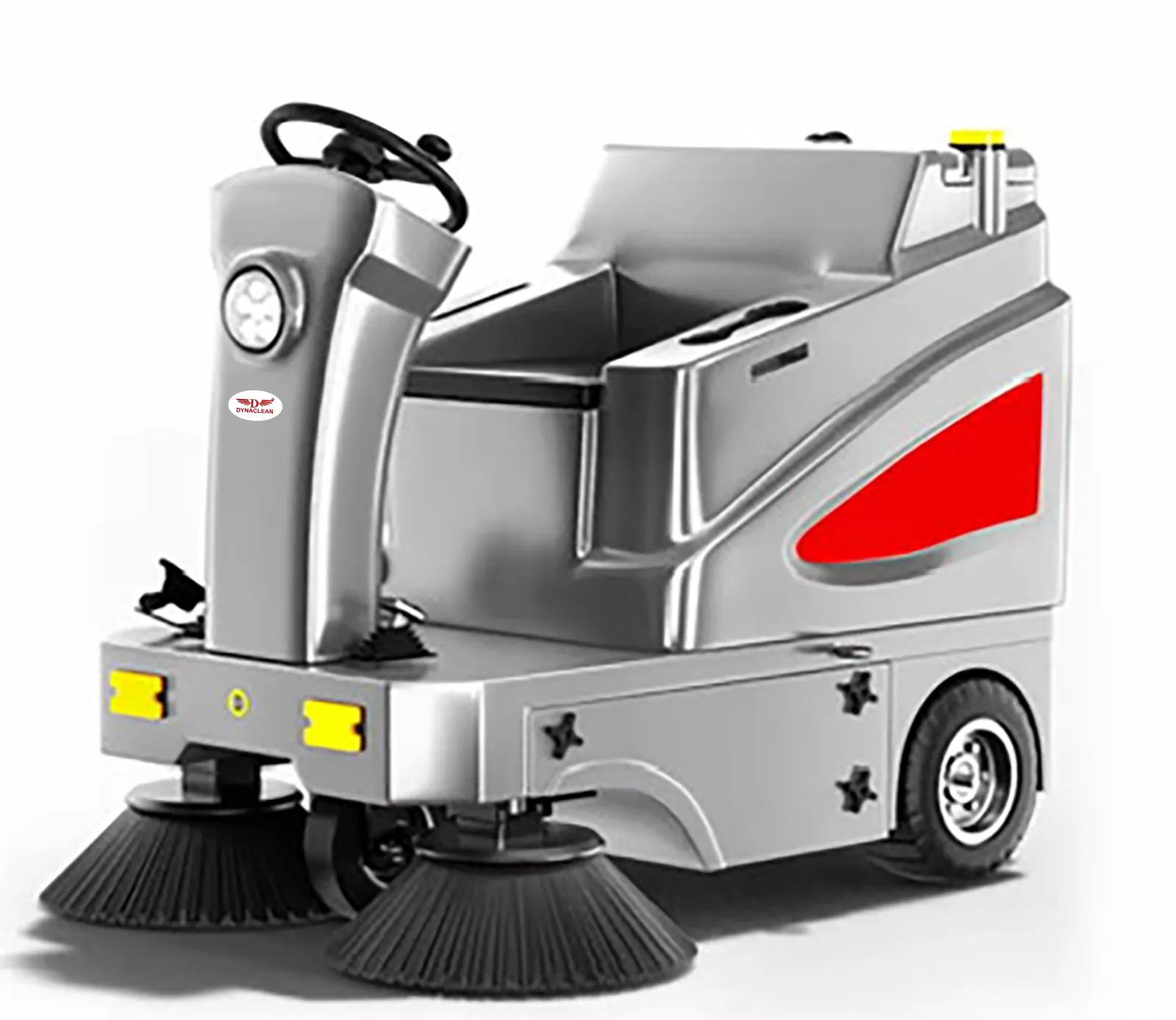
Maintaining cleanliness in large industrial and commercial areas can be challenging when traditional manual cleaning methods are used. A ride-on sweeper machine offers an efficient solution for cleaning warehouses, factories, parking areas, shopping complexes, airports, roads, and other large spaces. These machines are designed to cover extensive areas in less time while reducing manual effort and improving cleaning productivity.
However, choosing the right ride-on sweeper requires more than simply comparing prices. Different facilities have different cleaning requirements, floor conditions, operating hours, and types of debris. Before purchasing a machine, businesses should carefully evaluate its performance, capacity, durability, operating cost, and maintenance requirements. Here are the major factors to check before buying a ride-on sweeper machine.
1. Understand Your Cleaning Requirements
The first step before purchasing a ride-on sweeper machine is to understand your cleaning requirements. Consider the size of the area that needs to be cleaned, the type of surface, the amount of dust and debris, and how frequently the machine will be used.
For example, a warehouse may require a compact machine that can easily move between storage racks, while a large factory or parking area may require a heavy-duty industrial sweeper with a wider sweeping path. Identifying your requirements will help you choose a machine that delivers the right level of performance without unnecessary investment.
2. Check Cleaning Performance
Cleaning performance is one of the most important factors to consider. Check the machine's sweeping width, brush configuration, brush speed, suction system, and overall cleaning capacity.
A wider sweeping width allows the machine to cover more area in a single pass, helping reduce cleaning time. The main brush should effectively collect dust, dirt, leaves, small stones, and other debris. Side brushes are also useful for cleaning edges, corners, walls, and difficult-to-reach areas.
Before purchasing, compare the machine's cleaning productivity, generally measured in square metres per hour, with the size of your facility.
3. Consider Battery, Diesel, or Other Power Options
The power source can significantly influence the performance and suitability of a ride-on sweeper machine. Depending on the application, buyers may find battery-operated, diesel-operated, or other configurations.
Battery-powered machines can be suitable for indoor environments where low noise and reduced emissions are important. They are commonly considered for warehouses, factories, malls, and commercial facilities.
For outdoor areas and demanding industrial applications, fuel-powered sweepers may offer longer operating periods and suitable performance for heavy-duty cleaning. Select the power source according to your application, operating environment, cleaning duration, and available charging or fueling facilities.
4. Evaluate Dust Control and Filtration
Dust control is another important feature to examine before buying a ride-on sweeper. Sweeping without an effective filtration system can allow fine dust particles to circulate back into the surrounding environment.
Look for machines equipped with suitable dust filters and efficient suction systems. A good filtration system can help capture fine particles and improve the overall quality of cleaning.
For industries where dust control is particularly important, buyers should pay close attention to filter quality, filter area, cleaning mechanism, and ease of maintenance.
5. Check Hopper Capacity
The debris hopper determines how much waste the machine can collect before it needs to be emptied. A larger hopper can be beneficial when cleaning extensive areas because it reduces the frequency of emptying.
However, hopper size should be selected according to the cleaning application. If the machine is primarily used in areas with large quantities of dust and debris, a higher-capacity hopper may improve productivity.
Also check whether the hopper is easy to access, empty, and clean. Convenient waste disposal can save time during regular cleaning operations.
6. Examine Machine Size and Maneuverability
The size and design of the machine are important, especially when cleaning areas with limited space. Before purchasing, check the machine's overall dimensions, turning radius, ground clearance, and operator visibility.
For warehouses and facilities with narrow aisles, a compact ride-on sweeper machine may be more practical. For open areas such as parking lots, industrial yards, and large factory premises, a larger machine with a wider cleaning path may provide better productivity.
Good maneuverability allows the operator to clean around pillars, machinery, walls, racks, and other obstacles more efficiently.
7. Look for Operator Comfort and Easy Controls
Operator comfort should not be overlooked when selecting an industrial cleaning machine. Ride-on sweepers may be used for several hours during a working shift, so an ergonomic design can make daily operation more convenient.
Check for a comfortable driver's seat, easy-to-use controls, good visibility, accessible switches, adjustable steering, and adequate legroom. Simple controls can also reduce the learning time required for new operators.
A user-friendly machine can help operators work efficiently while making routine cleaning operations easier to manage.
8. Assess Build Quality and Durability
A ride-on sweeper used in industrial environments must withstand regular operation, dust, debris, and demanding working conditions. Therefore, check the overall construction quality before making a purchase.
Pay attention to the chassis, brushes, wheels, hopper, body panels, motors, filtration system, and other important components. Strong construction can support consistent performance and help the machine handle regular cleaning applications.
Buyers should also consider whether the machine is designed for light commercial cleaning or heavy-duty industrial use. Choosing a machine according to the working environment can help prevent unnecessary wear and operational issues.
9. Check Maintenance Requirements
Regular maintenance plays an important role in maintaining the performance and service life of a sweeper machine. Before buying, ask the supplier about routine maintenance requirements.
Check how frequently brushes, filters, batteries, belts, and other components need inspection or replacement. Also determine whether routine maintenance can be performed easily by your maintenance team.
A machine with accessible components and straightforward maintenance procedures can help reduce downtime and simplify long-term operation.
10. Consider Spare Parts and After-Sales Service
After-sales support is an important consideration that is sometimes overlooked during the purchasing process. Even a high-quality cleaning machine may eventually require replacement parts or technical assistance.
Before purchasing, check the availability of spare parts, warranty terms, service support, technician availability, and response time. Working with a reliable manufacturer or supplier can make it easier to obtain technical assistance and replacement components when required.
A strong service network can contribute to smoother machine operation and reduce potential downtime.
11. Compare Operating and Ownership Costs
The purchase price is not the only cost associated with a ride-on sweeper. Businesses should also consider the total cost of ownership.
Evaluate electricity or fuel consumption, maintenance costs, replacement parts, brush replacement, filter replacement, battery life, and service expenses. A machine with a slightly higher initial price may have different long-term operating costs compared with a lower-priced model.
Comparing the overall operating cost can help businesses make a more informed purchasing decision.
12. Consider Safety Features
Safety should always be considered when purchasing industrial cleaning equipment. Check whether the machine provides adequate visibility, braking performance, warning indicators, headlights or safety lights where applicable, and emergency controls.
The machine should also be appropriate for the floor conditions and operating environment where it will be used. Operators should receive proper training before using the equipment.
Conclusion
Choosing the right ride-on sweeper machine requires careful consideration of cleaning requirements, machine capacity, power source, dust control, hopper size, maneuverability, operator comfort, durability, maintenance, safety, and after-sales support.
Instead of selecting a machine based only on price, businesses should evaluate how well its specifications match their actual cleaning needs. The right sweeper can help improve cleaning productivity, reduce manual effort, maintain cleaner workspaces, and support efficient facility management.
By comparing different models and checking important features before purchasing, businesses can select a reliable ride-on sweeper machine that is suitable for their facility and provides practical long-term value.