

Why Diesel Operated Highway Sweeper Trucks Are Essential for Smart Cities
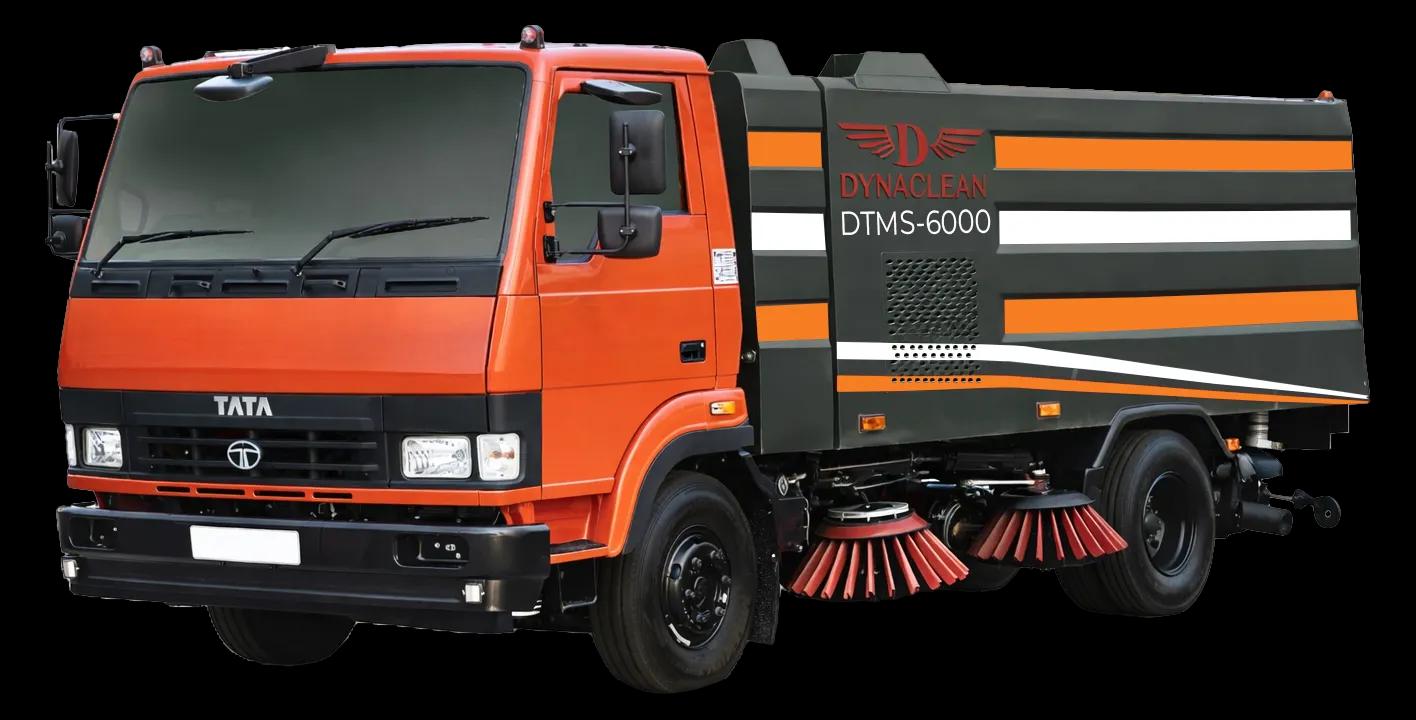
Smart cities are designed to provide better infrastructure, cleaner surroundings, efficient transportation, and improved quality of life for residents. As urban populations grow and road networks expand, maintaining clean highways, expressways, and city streets has become increasingly important. Dust, sand, leaves, construction debris, and other waste materials can accumulate quickly on busy roads, creating challenges for municipal authorities and road maintenance teams.
Traditional road cleaning methods often require significant manpower and time to maintain large areas effectively. This is where Diesel Operated Highway Sweeper Trucks play a crucial role. These advanced cleaning machines are designed to handle heavy-duty road sweeping operations, collect dust and debris, and support efficient urban cleanliness management. By integrating modern road cleaning equipment into municipal operations, smart cities can improve road maintenance, support environmental management, and maintain cleaner public spaces.
1. Efficient Cleaning of Highways and Urban Roads
One of the primary reasons diesel operated highway sweeper trucks are essential for smart cities is their ability to clean extensive road networks efficiently. Highways, expressways, and major urban roads experience continuous traffic, resulting in the accumulation of dust, sand, leaves, and other debris.
Manual cleaning methods can be time-consuming, especially when large road sections require frequent maintenance. Highway sweeper trucks use mechanical sweeping systems and collection mechanisms to remove debris from road surfaces more efficiently.
These machines are suitable for various applications, including city roads, national highways, industrial areas, logistics parks, and commercial zones. Their ability to cover large areas helps road maintenance teams maintain regular cleaning schedules and improve the overall appearance of urban infrastructure.
2. Improved Road Safety and Driving Conditions
Road cleanliness is an important factor in maintaining safe driving conditions. Accumulated dust, loose gravel, and scattered debris can create hazards for motorists, cyclists, and pedestrians. Debris on road surfaces may also obstruct drainage systems and contribute to maintenance problems.
Diesel operated highway sweeper trucks help remove unwanted materials from road surfaces, supporting safer and cleaner transportation routes. Regular sweeping can improve road maintenance practices and help authorities identify areas requiring additional attention.
For smart cities with high traffic volumes, maintaining clean highways and streets is particularly important. By incorporating mechanical sweeping into routine road maintenance, municipal authorities can support smoother transportation operations and improve the overall quality of public infrastructure.
3. Better Dust Control and Environmental Management
Air quality is a major concern in developing urban areas, where traffic, construction, and industrial activities can contribute to airborne dust. Dust deposited on roads may become airborne again when disturbed by passing vehicles or strong winds.
Modern highway sweeper trucks can help manage road dust by collecting accumulated particles and debris. Depending on the machine's design, filtration system, and dust suppression technology, these vehicles can reduce the amount of dust released during sweeping operations.
Regular road cleaning supports better management of roadside dust and helps maintain cleaner surroundings. For smart cities, this is an important part of a broader environmental management strategy.
However, the environmental performance of a diesel operated sweeper truck also depends on its engine emissions, fuel efficiency, filtration technology, and maintenance. Municipal authorities should consider these factors when selecting equipment to meet their road cleaning and environmental objectives.
4. Reduced Dependence on Manual Cleaning
Traditional road cleaning can require substantial manpower, particularly when maintaining long highways, busy intersections, and industrial roads. Manual sweeping may also become difficult in areas with heavy traffic or extensive debris accumulation.
Diesel operated highway sweeper trucks automate many road cleaning activities, allowing trained operators to clean larger areas with less manual effort. This can help organizations use their cleaning workforce more effectively and improve operational productivity.
By reducing dependence on labour-intensive sweeping methods, these machines allow cleaning teams to focus on other essential maintenance activities. They also support more consistent cleaning schedules when used according to an appropriate maintenance plan.
For municipal corporations, highway authorities, and road maintenance contractors, mechanized sweeping offers a practical approach to managing growing urban cleaning requirements.
5. Suitable for Heavy-Duty Cleaning Applications
Smart cities include different types of infrastructure, from major highways and expressways to industrial zones and commercial developments. Each area may require specialized cleaning solutions depending on traffic conditions, surface characteristics, and the quantity of debris generated.
Diesel operated highway sweeper trucks are designed for demanding outdoor cleaning applications. Their operating capabilities make them suitable for maintaining national highways, urban arterial roads, industrial estates, logistics hubs, construction zones, and large commercial areas.
These machines can support regular cleaning operations across extensive road networks. Their suitability for specific applications depends on factors such as sweeping capacity, vehicle size, dust collection technology, water requirements, and operating conditions.
Choosing the right highway sweeper truck helps organizations establish an effective cleaning strategy that meets their infrastructure maintenance requirements.
6. Improved Productivity and Operational Efficiency
Efficient resource management is essential for smart cities that need to maintain extensive public infrastructure within available budgets. Modern road sweeping equipment helps improve productivity by combining multiple cleaning functions into a mechanized operation.
Diesel operated highway sweeper trucks can collect road debris while covering substantial distances, depending on their configuration and working conditions. This helps cleaning teams plan their routes, schedule maintenance activities, and manage daily operations more effectively.
Regular servicing, operator training, and proper equipment selection are important for maintaining reliable performance. When these factors are managed properly, mechanical sweeping can help reduce avoidable downtime and support long-term road maintenance planning.
7. Supporting Smart City Infrastructure Development
Smart city development focuses on improving infrastructure through efficient planning, modern equipment, and better resource management. Clean roads are an important part of this vision because they contribute to organized transportation networks and more attractive public spaces.
Diesel operated highway sweeper trucks support these objectives by helping authorities maintain road cleanliness across busy urban and suburban areas. Their use can be incorporated into scheduled cleaning programs, highway maintenance contracts, and industrial facility management plans.
As cities expand, investing in suitable road sweeping machinery helps authorities address increasing cleaning requirements. Selecting equipment based on road conditions, cleaning frequency, operating costs, and environmental considerations can contribute to more effective urban maintenance.
8. Important Factors to Consider Before Buying a Highway Sweeper Truck
Before investing in a diesel operated highway sweeper truck, organizations should evaluate their operational requirements carefully. Important considerations include sweeping width, dust collection capacity, debris hopper size, engine performance, fuel consumption, filtration technology, and ease of maintenance.
The availability of spare parts, after-sales support, operator training, and service facilities should also be considered. These factors can influence equipment reliability and long-term operating costs.
Municipal authorities and infrastructure companies should compare different models to identify a suitable machine for their road network and cleaning workload. Evaluating environmental performance alongside productivity can also help organizations make informed purchasing decisions.
Conclusion
Diesel operated highway sweeper trucks are valuable equipment for smart cities because they support efficient road cleaning, improved road maintenance, dust management, and reduced dependence on manual labour. Their ability to handle large-scale sweeping operations makes them suitable for highways, expressways, industrial areas, and busy urban roads.
By adopting modern road cleaning technology, municipal corporations, highway authorities, and infrastructure management companies can improve cleaning efficiency and maintain cleaner public spaces. Regular maintenance, appropriate equipment selection, and responsible operation are essential for achieving reliable results.
Dynaclean Industries provides professional cleaning equipment solutions for diverse industrial and infrastructure requirements. Organizations looking for a suitable Diesel Operated Highway Sweeper Truck can explore available options based on their cleaning needs, operational conditions, and road maintenance objectives.