

Why Diesel-Powered Road Sweeping Machines Are Ideal for Highway Maintenance
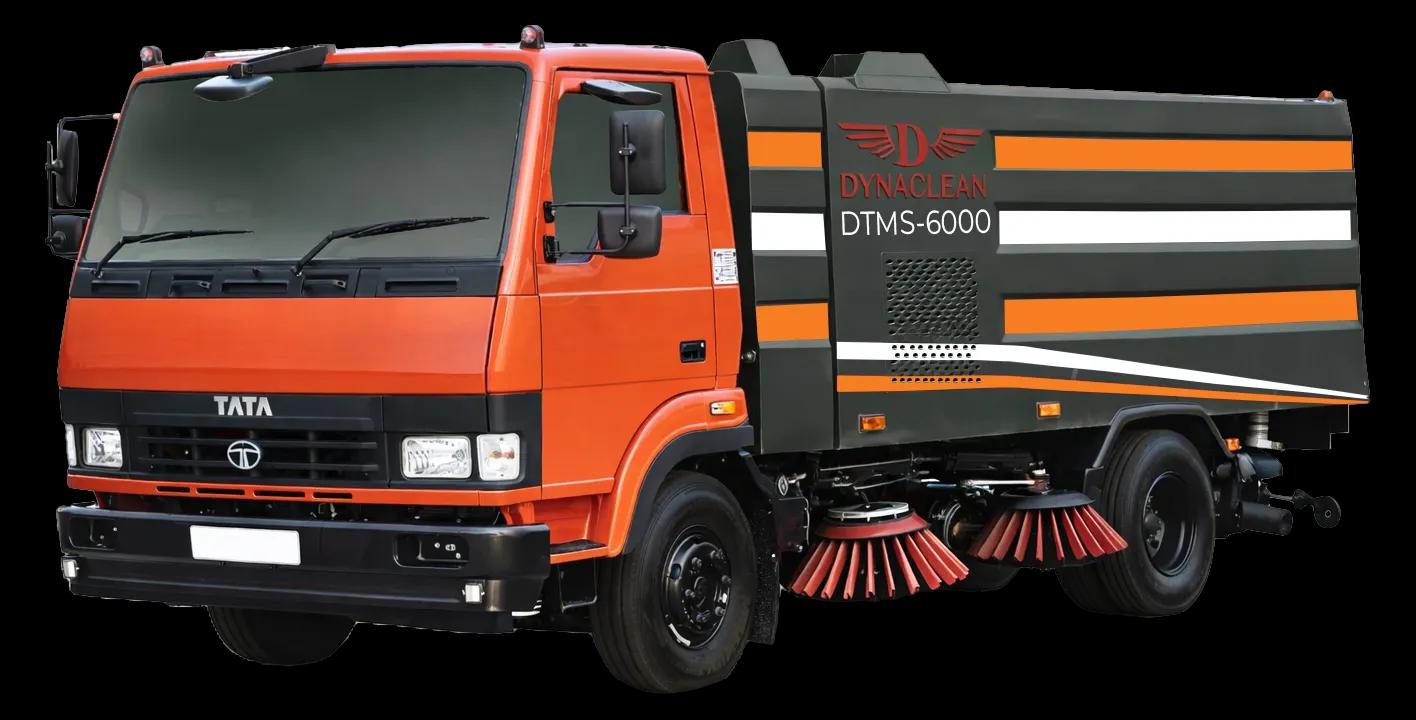
Highways are essential for transportation, economic growth, and connectivity between cities, industrial areas, and commercial centres. However, continuous vehicle movement causes the accumulation of dust, sand, gravel, leaves, and other debris on road surfaces. Without regular cleaning, these materials can affect road safety, increase dust pollution, and reduce the overall quality of highway infrastructure.
Maintaining clean highways requires powerful, reliable, and efficient cleaning equipment. Diesel-powered road sweeping machines have become an important solution for large-scale road maintenance because of their strong performance, durability, and ability to operate in demanding outdoor environments. These machines help highway authorities, road maintenance contractors, and infrastructure companies maintain cleaner roads while improving operational efficiency.
1. Powerful Performance for Large-Scale Highway Cleaning
One of the biggest advantages of diesel-powered road sweeping machines is their ability to handle demanding cleaning operations. Highways cover extensive areas and often experience continuous traffic, making manual cleaning an inefficient option for regular maintenance.
Diesel-powered machines are designed to provide the power required to operate sweeping brushes, suction systems, and debris collection mechanisms. These features help remove accumulated dirt, sand, stones, and other unwanted materials from road surfaces.
Their powerful performance makes them suitable for national highways, expressways, industrial roads, and other large outdoor areas. By using mechanised sweeping equipment, maintenance teams can clean long road stretches more systematically and maintain consistent cleaning standards.
2. Suitable for Long Working Hours
Highway maintenance frequently requires extended working hours, especially when cleaning must be completed during low-traffic periods. Diesel-powered road sweeping machines are well suited to demanding schedules, depending on their fuel capacity, operating conditions, and maintenance requirements.
Unlike equipment that requires frequent battery recharging, diesel-powered machines can generally be refuelled relatively quickly and returned to operation. This can be beneficial for contractors managing large highway networks or multiple cleaning locations.
Their suitability for extended operations helps maintenance teams plan cleaning schedules more effectively. However, actual operating time depends on the machine model, fuel consumption, workload, and site conditions.
3. Effective Dust and Debris Removal
Dust and debris are common challenges in highway maintenance. Sand, loose soil, leaves, small stones, and other materials can accumulate along road edges and on paved surfaces. These materials may contribute to airborne dust, affect visibility, and create potential hazards for road users.
Modern road sweeping machines use rotating brushes and collection systems to gather debris efficiently. Depending on the design, some machines also incorporate suction mechanisms and dust-control systems to improve cleaning performance.
Regular sweeping helps remove loose materials before they accumulate excessively. It also supports cleaner road shoulders, service lanes, and highway access areas. Effective dust management is particularly important near construction zones, industrial areas, and heavily trafficked routes.
4. Durable Design for Challenging Conditions
Highway cleaning equipment must operate in demanding environments where dust, heat, changing weather, and continuous use can affect machinery performance. Diesel-powered road sweeping machines are often built with robust components to withstand these challenging conditions.
A durable construction helps support regular cleaning operations across highways, industrial facilities, ports, logistics parks, and construction sites. The strength of the chassis, quality of the sweeping components, and reliability of the collection system all influence overall performance.
Routine servicing is equally important. Regular engine inspections, filter cleaning, hydraulic system checks, and timely replacement of worn brushes help maintain efficiency and reduce unexpected downtime. Choosing a machine designed for the intended workload can improve long-term operational reliability.
5. Improved Cleaning Efficiency and Productivity
Manual highway cleaning requires considerable time and labour, particularly when maintaining long stretches of road. Mechanised sweeping equipment helps reduce the effort involved and allows maintenance teams to cover larger areas more efficiently.
Diesel-powered road sweepers combine mechanical sweeping and debris collection to simplify cleaning operations. This enables operators to manage routine maintenance more systematically and allocate workers to other important activities.
Improved productivity can also help contractors organise maintenance schedules, minimise unnecessary delays, and manage operational resources more effectively. The actual area cleaned per hour depends on factors such as machine capacity, road width, traffic conditions, debris levels, and operating speed.
For infrastructure companies responsible for maintaining extensive road networks, efficient cleaning equipment can make a significant difference to daily operations.
6. Versatile Applications Across Different Industries
Although diesel-powered road sweeping machines are commonly associated with highway maintenance, their applications extend across several industries. Their ability to collect dust and debris makes them useful for maintaining large outdoor areas.
Common applications include:
National highways and expressways: Removing accumulated dirt and debris from major road networks.
Industrial facilities: Maintaining cleaner internal roads and vehicle movement areas.
Construction sites: Collecting loose soil, sand, and construction-related debris from suitable paved surfaces.
Ports and logistics parks: Supporting cleanliness in vehicle movement and material handling zones.
Municipal roads: Assisting local authorities with regular road cleaning operations.
Commercial infrastructure: Maintaining access roads, parking areas, and large outdoor premises.
This versatility allows businesses and infrastructure operators to select equipment that meets their specific cleaning requirements. Factors such as road width, debris type, traffic volume, and operating hours should be considered before choosing a suitable machine.
7. Helps Support Safer Road Conditions
Clean highways contribute to better road maintenance and a more organised transportation environment. Accumulated loose debris may affect tyre grip in certain conditions, obstruct drainage channels, or become airborne when disturbed by passing vehicles.
Regular mechanical sweeping helps remove these materials and maintain cleaner driving surfaces. It can also support the removal of debris from roadside areas where material accumulation is common.
However, sweeping machines are only one part of a comprehensive highway maintenance programme. Proper road inspections, pavement repairs, drainage maintenance, road markings, and traffic management are also necessary to support road safety.
By incorporating scheduled sweeping into routine maintenance activities, highway authorities can improve cleanliness and help maintain infrastructure in better condition.
8. Important Factors to Consider When Choosing a Road Sweeper
Selecting the right diesel-powered road sweeping machine is essential for achieving effective cleaning results. Buyers should evaluate the machine's performance specifications and suitability for their operating environment.
Important factors include engine performance, sweeping width, hopper capacity, dust-control technology, fuel consumption, manoeuvrability, operator comfort, and maintenance requirements.
It is also important to consider the availability of spare parts, technical support, and after-sales service. A machine that matches the actual workload can help improve productivity and reduce avoidable operating costs.
Organisations should compare different models and assess their total operating requirements before making a purchasing decision. Environmental considerations are important as well, since diesel engines produce exhaust emissions. Where practical, electric alternatives may be worth evaluating for suitable applications.
Conclusion
Diesel-powered road sweeping machines are an effective solution for highway maintenance because of their powerful performance, suitability for extended operations, durable construction, and efficient dust and debris collection capabilities. They help maintenance teams improve productivity, maintain cleaner road surfaces, and manage large outdoor areas more systematically.
For highway authorities, infrastructure companies, and road maintenance contractors seeking dependable cleaning equipment, choosing the right Diesel Operated Highway Sweeper Truck can support efficient maintenance of highways, expressways, industrial roads, and other major road networks. With proper machine selection, regular servicing, and a planned cleaning schedule, these machines can play an important role in maintaining cleaner and better-managed transportation infrastructure.