

Why Electric Sweeper Trucks Are Better Than Traditional Road Sweepers
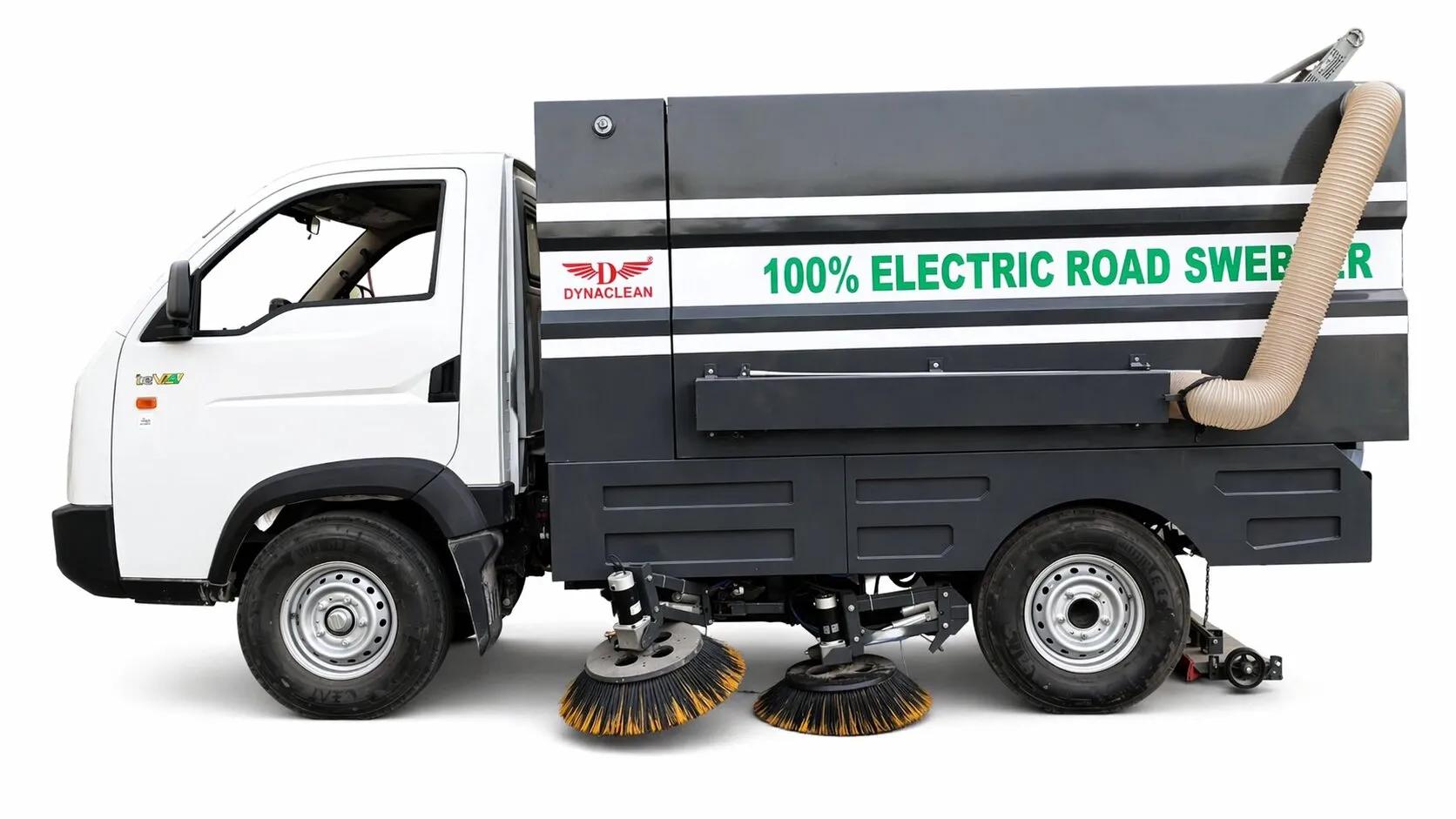
As urbanization continues to expand, keeping roads clean has become an essential part of maintaining healthy, safe, and attractive cities. Municipal corporations, industrial zones, airports, educational campuses, and commercial complexes all require efficient road cleaning solutions to remove dust, debris, leaves, and other waste. Traditionally, diesel-powered road sweepers have been widely used for this purpose. However, with the increasing focus on sustainability, cost efficiency, and environmental protection, electric sweeper trucks are rapidly emerging as the preferred alternative.
Electric sweeper trucks combine advanced cleaning technology with eco-friendly operation, making them an ideal solution for modern infrastructure. They not only improve road cleanliness but also help reduce pollution, operating costs, and maintenance requirements. In this blog, we explore why electric sweeper trucks are better than traditional road sweepers and why they are shaping the future of urban cleaning.
1. Eco-Friendly and Zero-Emission Operation
One of the biggest advantages of electric sweeper trucks is their environmentally friendly design. Traditional road sweepers rely on diesel engines, which emit harmful pollutants such as carbon dioxide (CO₂), nitrogen oxides (NOx), and particulate matter. These emissions contribute to air pollution and negatively affect public health.
Electric sweeper trucks, on the other hand, produce zero tailpipe emissions during operation. This significantly improves air quality, especially in densely populated urban areas where pollution levels are already high.
Their eco-friendly operation makes them suitable for:
Smart cities
Residential neighborhoods
Hospitals
Educational institutions
Airports
Industrial parks
Tourist destinations
As governments continue promoting electric mobility and stricter emission regulations, electric sweepers provide a future-ready cleaning solution.
2. Lower Operating Costs
Although electric sweeper trucks may have a higher initial purchase price, they offer substantial long-term savings. Diesel fuel prices fluctuate frequently, making operational expenses unpredictable. Electricity, however, is generally more affordable and stable, resulting in lower daily operating costs.
Additional cost-saving benefits include:
Lower energy consumption
Reduced fuel expenses
Minimal engine-related maintenance
Fewer replacement parts
Lower servicing costs
Because electric motors have fewer moving components than diesel engines, they experience less wear and tear. Over time, organizations recover their investment through reduced operational expenses and increased equipment reliability.
3. Quiet and Noise-Free Performance
Noise pollution is becoming an increasing concern in modern cities. Traditional diesel road sweepers generate considerable engine and exhaust noise, making them unsuitable for cleaning during early mornings or late nights.
Electric sweeper trucks operate much more quietly because they use electric motors instead of combustion engines. Their low-noise performance allows cleaning activities without disturbing nearby residents, businesses, schools, or hospitals.
This makes electric sweepers ideal for:
Residential colonies
Commercial streets
Corporate campuses
Hotels
Public parks
Healthcare facilities
The quieter operation improves the overall quality of life while allowing municipalities to schedule cleaning operations more efficiently.
4. Superior Cleaning Performance
Modern electric sweeper trucks are equipped with advanced cleaning technologies designed to maximize efficiency and productivity. They provide excellent sweeping performance across various road conditions while maintaining consistent suction power.
Common features include:
High-powered vacuum systems
Large-capacity waste hoppers
Efficient side brushes
Water spray systems for dust suppression
Intelligent control systems
Advanced filtration technology
These features help remove dust, leaves, litter, sand, and fine particles more effectively than many conventional sweepers.
The result is cleaner roads, reduced airborne dust, and healthier surroundings for pedestrians and motorists alike.
5. Reduced Maintenance Requirements
Maintenance is one of the most significant expenses associated with diesel-powered road sweepers. Regular servicing involves oil changes, fuel filter replacements, engine repairs, cooling system maintenance, and exhaust system inspections.
Electric sweeper trucks eliminate many of these maintenance requirements because they have a much simpler mechanical design.
Maintenance advantages include:
No engine oil changes
No fuel injection servicing
Fewer mechanical failures
Lower repair costs
Longer service intervals
Reduced maintenance also means less downtime, allowing organizations to maximize equipment availability and improve operational efficiency.
6. Improved Energy Efficiency
Electric motors are significantly more energy-efficient than internal combustion engines. A larger percentage of electrical energy is converted directly into useful mechanical power, resulting in better overall performance.
This efficiency allows electric sweeper trucks to:
Operate longer with optimized battery management
Deliver consistent sweeping performance
Reduce energy waste
Improve productivity
As battery technology continues to advance, the operational range and charging speed of electric sweepers are also improving, making them even more practical for large-scale cleaning operations.
7. Supports Sustainable Urban Development
Many cities worldwide are investing in sustainable infrastructure and green technologies. Electric sweeper trucks align perfectly with these initiatives by reducing carbon emissions, lowering energy consumption, and promoting cleaner public spaces.
Their adoption helps cities achieve environmental goals while improving urban sanitation.
Benefits include:
Cleaner air quality
Reduced carbon footprint
Better waste management
Improved public health
Enhanced city aesthetics
These advantages contribute to creating smarter, healthier, and more sustainable communities.
8. Better Workplace Safety and Operator Comfort
Electric sweeper trucks also improve working conditions for operators. Traditional diesel sweepers expose drivers to engine vibrations, excessive noise, and diesel fumes during long working hours.
Electric models offer a more comfortable driving experience through:
Reduced vibration
Lower cabin noise
Cleaner working environment
Smooth vehicle operation
User-friendly digital controls
Improved operator comfort can increase productivity while reducing fatigue during extended cleaning shifts.
9. Ideal for Multiple Applications
Electric sweeper trucks are highly versatile and can be used in a wide range of environments. Their efficient cleaning capabilities make them suitable for both public and private sectors.
Common applications include:
Municipal road cleaning
Industrial facilities
Logistics parks
Airports
Railway stations
Shopping complexes
Universities
IT parks
Manufacturing plants
Smart city projects
Their adaptability allows organizations to maintain cleaner premises while reducing environmental impact.
Conclusion
Electric sweeper truck are revolutionizing the road cleaning industry by offering a cleaner, quieter, and more cost-effective alternative to traditional diesel-powered road sweepers. Their zero-emission operation, lower maintenance requirements, superior cleaning performance, and energy efficiency make them the ideal choice for modern cities and industrial environments.
As governments and organizations continue embracing sustainable technologies, electric sweeper trucks are becoming an essential investment for efficient urban cleaning. They not only improve operational performance but also contribute to healthier communities, cleaner streets, and a greener future. Choosing electric sweeping technology today is a step toward building smarter cities and ensuring long-term environmental sustainability.