

Why Electric Sweeper Trucks Are the Future of Sustainable Road Cleaning
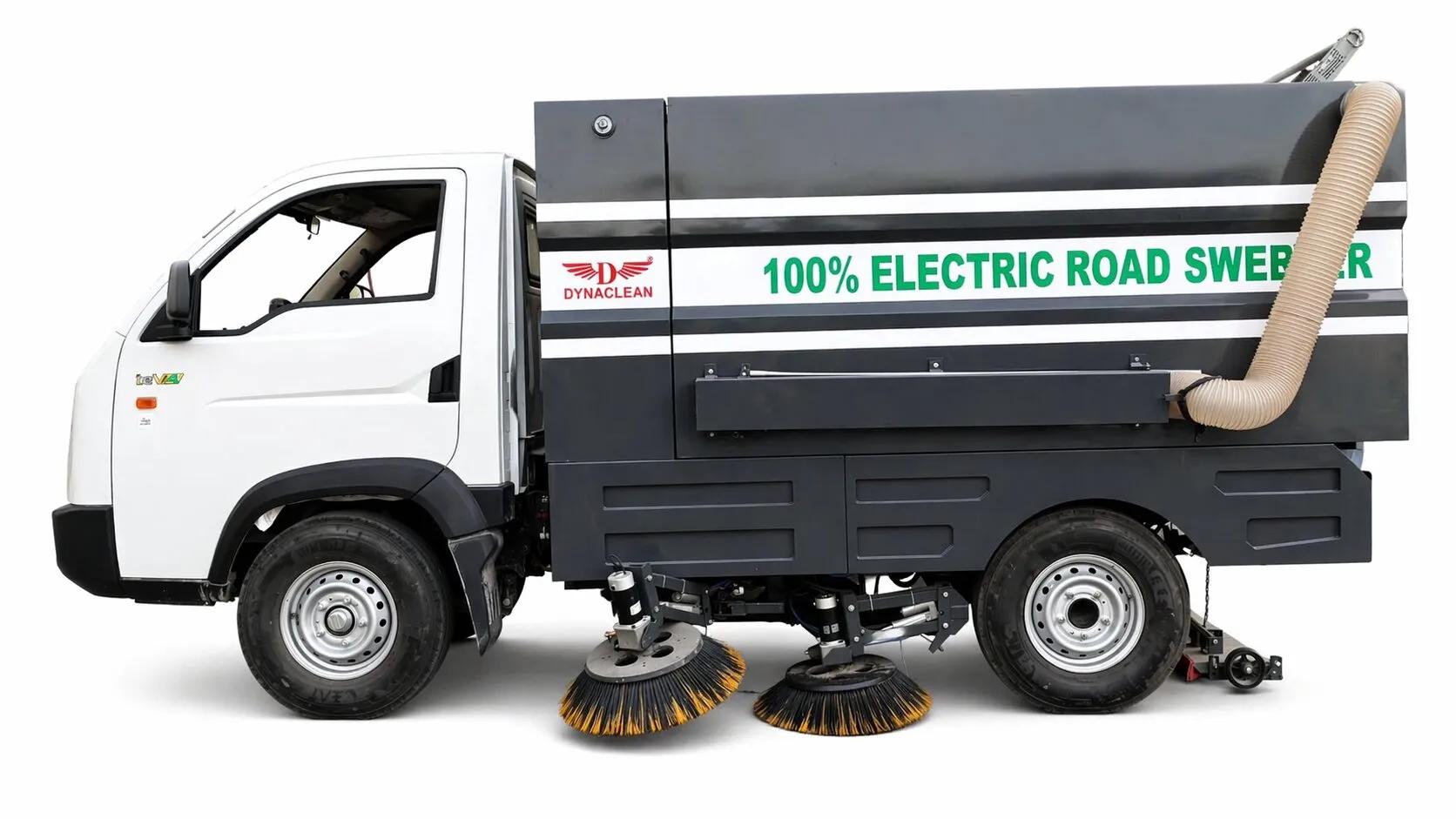
Clean roads are essential for maintaining healthy, attractive, and sustainable cities. As urban populations continue to increase, municipalities, industries, commercial areas, airports, and facility management companies need efficient solutions for removing dust, dirt, leaves, and other road debris. Traditional road-cleaning methods often depend on fuel-powered vehicles, which can contribute to emissions, noise pollution, and higher operating costs.
This is where electric sweeper trucks are becoming an important solution. Powered by rechargeable batteries and equipped with modern sweeping technology, electric sweeper trucks offer an environmentally friendly and efficient approach to road maintenance. With growing awareness of sustainability and clean transportation, these machines are expected to play a major role in the future of road cleaning.
What Are Electric Sweeper Trucks?
Electric sweeper trucks are specialized cleaning vehicles designed to sweep and collect dust, dirt, debris, leaves, and other waste from roads and large outdoor surfaces. Instead of using conventional diesel or petrol engines as their primary source of propulsion, these vehicles use electric power and rechargeable battery systems.
Modern electric road sweepers can combine mechanical brushes, suction systems, dust-control technology, and waste collection systems to provide effective cleaning. Their design allows operators to clean large areas more efficiently than traditional manual sweeping methods.
These machines can be used for municipal roads, industrial areas, parking lots, warehouses, residential streets, commercial zones, campuses, and other large outdoor spaces.
Eco-Friendly Road Cleaning
One of the key benefits of electric sweeper trucks is their potential to support environmentally friendly cleaning operations. Conventional diesel-powered cleaning vehicles produce exhaust emissions while operating. Electric vehicles, on the other hand, have no tailpipe emissions during operation.
This makes electric sweepers particularly useful in urban environments where maintaining good air quality is important. Reducing direct vehicle emissions can contribute to cleaner surroundings and support the sustainability objectives of municipalities and businesses.
As organizations increasingly focus on reducing their environmental impact, electric cleaning equipment provides an opportunity to modernize road-cleaning fleets while supporting greener operational practices.
Reduced Noise Pollution
Noise pollution is another challenge associated with conventional road-cleaning vehicles. Engine noise can be disruptive, particularly when cleaning is carried out during early morning or nighttime hours.
Electric sweeper trucks generally operate more quietly because their electric powertrains produce significantly less operating noise than traditional internal combustion engines. This makes them suitable for residential communities, hospitals, educational campuses, commercial areas, airports, and other locations where noise levels need to be controlled.
Quieter operation can allow cleaning activities to be scheduled more flexibly without creating unnecessary disturbance.
Lower Operating Costs
Operating expenses are an important consideration when selecting road-cleaning equipment. Fuel-powered vehicles require regular purchases of diesel or petrol, while electric sweeper trucks use electricity to recharge their batteries.
Depending on electricity rates, operating schedules, vehicle efficiency, and other factors, electric sweeping can offer opportunities for lower energy costs compared with conventional fuel-powered alternatives.
Electric powertrains also generally contain fewer moving mechanical components than internal combustion engines. This can reduce certain engine-related maintenance requirements and help organizations manage maintenance expenses over the long term.
Improved Cleaning Productivity
Road cleaning needs to be both effective and productive, especially in large cities and industrial facilities. Manual sweeping can require substantial labor and may take considerable time to cover large areas.
Electric sweeper trucks can help improve cleaning productivity by allowing operators to cover larger areas in less time. Their integrated sweeping, suction, and collection systems can make the cleaning process more systematic.
Instead of relying entirely on manual labor, organizations can use mechanized sweeping technology to improve consistency and maintain larger areas according to planned cleaning schedules.
Advanced Dust-Control Technology
Dust management is an important part of effective road cleaning. Sweeping dry surfaces can sometimes disturb fine dust particles and reduce cleaning efficiency if appropriate dust-control measures are not used.
Modern road sweepers can incorporate dust-control and suction technologies designed to capture and collect debris more effectively. This can help maintain cleaner surfaces while supporting a healthier working environment for operators and people in surrounding areas.
The combination of brushes, suction, filtration, and waste collection allows electric sweeper trucks to provide a more comprehensive cleaning process than basic manual sweeping.
Ideal for Modern Urban Infrastructure
Cities are becoming increasingly focused on smart and sustainable infrastructure. Electric buses, electric cars, renewable energy, and energy-efficient equipment are becoming part of modern urban development.
Electric sweeper trucks fit naturally into this transition. Municipalities can incorporate electric cleaning vehicles into their broader sustainability strategies while continuing to provide essential road-maintenance services.
As charging infrastructure develops and battery technology continues to improve, electric cleaning fleets are becoming increasingly practical for different applications.
Applications of Electric Sweeper Trucks
Electric sweeper trucks can be used across a wide range of industries and public environments. Some common applications include:
Municipal road and street cleaning
Industrial areas and manufacturing facilities
Airports and transportation hubs
Large parking areas
Residential communities
Commercial complexes
Educational campuses
Warehouses and logistics facilities
Public parks and open spaces
Roads around factories and infrastructure projects
Their versatility makes them useful for organizations that need regular and efficient cleaning of large outdoor areas.
Why Businesses Are Moving Toward Electric Cleaning Equipment
Sustainability is becoming an increasingly important factor in business decision-making. Companies are looking for ways to reduce waste, improve energy efficiency, lower emissions, and adopt environmentally responsible technologies.
Switching from conventional fuel-powered cleaning vehicles to electric alternatives can be one step toward achieving these goals. In addition to environmental benefits, electric cleaning equipment can help organizations modernize their operations and demonstrate a commitment to sustainable practices.
For industries with extensive outdoor areas, investing in efficient cleaning equipment can also help improve workplace cleanliness and overall facility appearance.
The Future of Sustainable Road Cleaning
The future of road cleaning is expected to become increasingly automated, efficient, and environmentally conscious. Electric sweeper trucks are positioned to become an important part of this transformation because they combine electric mobility with advanced cleaning technology.
Future developments may include improved battery capacity, faster charging systems, intelligent route planning, enhanced dust-control technology, and increasingly automated cleaning functions. These developments could make electric road sweepers even more productive and practical for large-scale applications.
As governments, municipalities, and private organizations continue to prioritize sustainable infrastructure, demand for environmentally friendly cleaning machines is likely to increase.
Conclusion
Electric sweeper trucks offer a modern approach to sustainable road cleaning by combining efficient sweeping performance with electric mobility. Their potential benefits include reduced direct emissions, quieter operation, improved cleaning productivity, modern dust-control capabilities, and opportunities for lower operating and maintenance costs. As cities and industries move toward greener technologies, electric road-cleaning vehicles can become an important part of future infrastructure.
Organizations seeking advanced, reliable, and environmentally responsible road-cleaning solutions can explore the capabilities of the First manufacturer of electric sweeper trucks in India to support their transition toward smarter and more sustainable cleaning operations.