

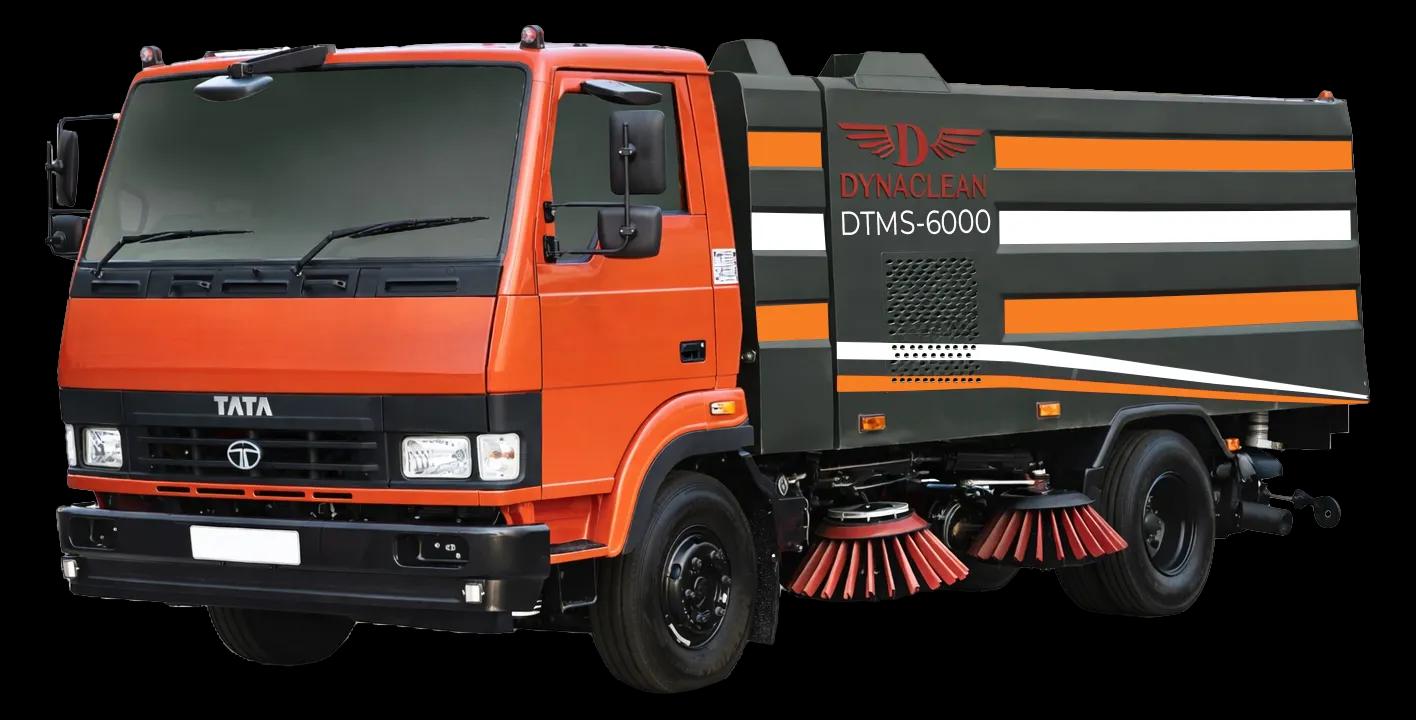
Government infrastructure projects play a crucial role in the development of roads, highways, expressways, bridges, and smart cities. Maintaining these public spaces in clean and safe conditions is essential for improving transportation efficiency, protecting public health, and supporting environmental sustainability. However, cleaning extensive road networks using traditional manual methods can be time-consuming, labour-intensive, and expensive.
Advanced highway sweeper trucks provide an effective solution for modern road cleaning and maintenance requirements. These machines use mechanical sweeping brushes, vacuum suction systems, and dust collection technology to remove dust, sand, leaves, and other debris from road surfaces. Their ability to clean large areas efficiently makes them valuable for government departments, municipal corporations, highway authorities, and infrastructure contractors. Investing in modern road cleaning equipment can help government projects achieve better cleanliness standards and improve overall operational efficiency.
1. Improved Road Cleaning Efficiency
One of the primary reasons government projects need advanced highway sweeper trucks is their ability to improve road cleaning efficiency. Large highways and expressways require regular cleaning to remove accumulated dust, loose materials, and roadside debris. Performing these tasks manually across extensive road networks can consume considerable time and manpower.
Modern highway sweeper trucks are designed to cover large road sections efficiently. Their powerful sweeping brushes collect dirt and debris, while integrated collection systems help store the collected waste for proper disposal. Depending on the machine's specifications, these trucks can operate across different road conditions and support regular cleaning schedules.
For government infrastructure projects, faster cleaning operations help maintain road cleanliness without unnecessarily disrupting traffic. These machines are particularly useful for national highways, urban roads, industrial corridors, and newly developed expressways where consistent maintenance is essential.
2. Enhanced Road Safety
Road safety is a major priority for government authorities responsible for maintaining transportation infrastructure. Dust, sand, gravel, leaves, and other debris can create hazardous conditions for vehicles and pedestrians. Loose materials may reduce tyre grip, while excessive airborne dust can affect visibility for drivers.
Advanced highway sweeper trucks help remove these unwanted materials and maintain cleaner road surfaces. Regular mechanical sweeping is especially beneficial on busy highways, flyovers, intersections, and roads near construction sites, where debris can accumulate quickly.
Cleaner roads also contribute to a better driving experience for commuters and commercial vehicle operators. By including mechanised sweeping in routine highway maintenance programmes, government departments can help reduce certain road hazards and support safer transportation conditions.
3. Effective Dust Control and Pollution Management
Dust pollution is a growing concern in many urban areas and regions with heavy traffic and ongoing construction activities. Road dust can affect surrounding communities, reduce air quality, and create uncomfortable conditions for pedestrians and road users.
Advanced highway sweeper trucks equipped with vacuum suction and suitable dust suppression systems can help collect dust and debris more effectively. These features can minimise the amount of dust dispersed into the surrounding environment during sweeping operations.
For government projects focused on environmental protection, cleaner cities, and sustainable infrastructure development, modern road cleaning equipment can play an important supporting role. Regular sweeping is particularly valuable around industrial areas, public transport routes, construction zones, and heavily travelled roads.
However, the effectiveness of dust control depends on the machine's filtration system, operating conditions, maintenance practices, and the type of particles being collected. Selecting suitable equipment is therefore important for achieving better cleaning results.
4. Reduced Labour Requirements and Operational Costs
Traditional road cleaning methods often require substantial manpower, especially when maintaining long highway stretches and large public infrastructure projects. Manual cleaning can also expose workers to traffic-related risks, airborne dust, and difficult working conditions.
Highway sweeper trucks help mechanise repetitive cleaning activities and reduce dependence on labour-intensive methods. A trained operator can manage the machine while its sweeping systems perform much of the cleaning work.
Although purchasing advanced sweeping equipment requires an initial investment, government authorities and contractors can evaluate its long-term value through improved productivity, reduced cleaning time, and more efficient workforce allocation. Operating expenses, fuel consumption, spare parts, servicing, and equipment utilisation should also be considered when calculating total ownership costs.
With proper planning and regular maintenance, highway sweeper trucks can help infrastructure projects manage cleaning budgets more effectively while maintaining consistent service standards.
5. Essential for Smart City and Highway Development
Modern government projects increasingly focus on smart cities, upgraded transportation systems, and efficient public infrastructure management. Clean roads are an important part of these development initiatives because they improve the appearance, usability, and maintenance of public spaces.
Advanced highway sweeper trucks support these objectives by providing mechanised cleaning for expressways, flyovers, arterial roads, and major urban routes. Their use allows municipal corporations, highway authorities, and contractors to schedule regular cleaning activities and manage large road networks more systematically.
Some modern machines may also offer features that improve operational monitoring and productivity, depending on their specifications. Choosing equipment that matches the project's road width, cleaning frequency, debris type, and operating environment can help government departments achieve better results.
6. Suitable for Large-Scale Infrastructure Projects
Government infrastructure projects often involve extensive road construction, expansion, and renovation activities. During these operations, construction dust, sand, soil, and other materials may accumulate on nearby roads and access routes.
Advanced highway sweeper trucks can help clean these areas during and after construction, supporting better site management and cleaner surrounding roads. They are also useful for maintaining industrial corridors, logistics routes, airport access roads, and commercial transportation networks.
For contractors handling multiple projects, selecting a versatile highway sweeper truck can help streamline cleaning operations across different locations. Before purchasing equipment, contractors should assess sweeping capacity, waste hopper size, manoeuvrability, fuel efficiency, maintenance requirements, and the availability of technical support.
The right equipment selection helps ensure that cleaning operations remain efficient and aligned with project requirements.
7. Improved Maintenance and Long-Term Road Performance
Regular road cleaning is an important part of infrastructure maintenance. When dust, debris, and loose materials accumulate, they can obstruct drainage openings, affect roadside cleanliness, and contribute to poor maintenance conditions.
Advanced highway sweeper trucks help remove accumulated waste before it becomes a larger maintenance concern. Keeping drainage inlets and roadside areas clear of debris can support effective drainage maintenance, although periodic inspection and dedicated drain cleaning may still be necessary.
Routine sweeping also helps government authorities maintain cleaner public spaces and identify visible road maintenance issues more easily. Combined with timely repairs, drainage management, and other preventive maintenance activities, mechanised cleaning supports the long-term management of highway infrastructure.
8. Choosing the Right Highway Sweeper Truck
Selecting the right highway sweeper truck is essential for achieving the best results in government projects. Different roads and infrastructure sites have different cleaning requirements, so authorities should evaluate the machine's technical specifications before making a purchase.
Important factors include sweeping width, collection capacity, suction performance, dust filtration, fuel efficiency, operating speed, and ease of maintenance. The availability of spare parts, operator training, after-sales service, and technical assistance should also be considered.
For projects involving long-distance highway cleaning and demanding working conditions, diesel-powered models may be suitable because of their operating range and application-specific capabilities. However, the final selection should depend on the project's budget, environmental requirements, operating conditions, and applicable regulations.
Careful equipment evaluation helps government departments and contractors invest in machines that deliver reliable performance and long-term value.
Conclusion
Advanced highway sweeper trucks are becoming increasingly important for government projects that prioritise road safety, cleanliness, environmental protection, and efficient infrastructure maintenance. These machines help remove dust and debris, improve cleaning productivity, reduce labour-intensive activities, and support the maintenance of highways, expressways, and urban roads.
For government departments, municipal corporations, and infrastructure contractors, investing in suitable road cleaning equipment can improve maintenance planning and support cleaner public spaces. Dynaclean Industries offers cleaning equipment solutions for various industrial and infrastructure applications. Businesses and project authorities looking for dependable road cleaning equipment can explore a Diesel operated Highway Sweeper Truck to identify a suitable solution for their highway maintenance requirements, project specifications, and operational objectives.